What To Check Before Buying A Coastal Home In Nassau, Bahamas
Explore homes for sale in Nassau, Bahamas, and compare waterfront properties, luxury residences, gated communities, and coastal buying considerations carefully.
Key Takeaways
- Coastal homes should be evaluated for condition, storm readiness, drainage, and ongoing maintenance, not just views and finishes.
- The exact Nassau location can affect convenience, privacy, traffic, rental rules, and resale appeal.
- Insurance, legal review, taxes, association fees, and repair reserves belong in the ownership budget.
- Foreign buyers should work with qualified Bahamian legal and real estate professionals before closing.
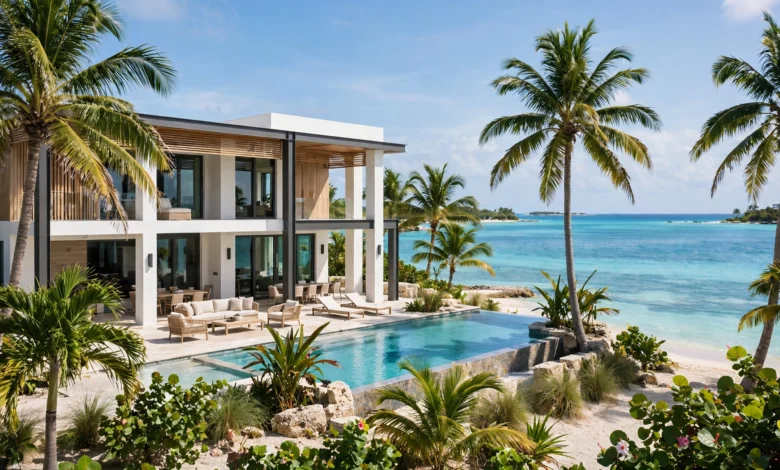
Buying along the water in Nassau, New Providence, can be a rewarding lifestyle decision, but the view should be only one part of the evaluation. For a useful starting point, homes for sale in Nassau Bahamas can be searched through Bond Bahamas, a Nassau-based luxury residential brokerage serving New Providence communities including Cable Beach, Sandyport, Lyford Cay, Old Fort Bay, and Paradise Island. Its Nassau listings page helps buyers compare available condos, waterfront residences, gated-community homes, and other local property types before narrowing a search.
A coastal home should be assessed as both a place to live and a long-term responsibility. Salt air, humidity, strong sun, heavy rainfall, and tropical storms can influence maintenance needs, insurance planning, and the condition of exterior materials. A careful buying process helps separate a beautiful property from one that may carry unexpected costs.
Why Coastal Due Diligence Matters
Waterfront living can bring beach access, breezes, boating opportunities, and memorable outdoor space. It can also mean more frequent attention to roofs, windows, metal hardware, air-conditioning equipment, decks, seawalls, docks, and exterior paint. A home that looks polished during a short showing may still have deferred maintenance behind fresh landscaping or recently arranged furniture.
Start by defining how the property will be used. A full-time residence, vacation home, rental property, and long-term investment each create different needs for security, storage, backup power, property management, and community amenities. The best choice is usually the one that fits both the buyer’s daily routine and realistic upkeep capacity.
Check The Property’s Location
Nassau is not one uniform market. The feel of a property can change significantly from one side of New Providence to another, even when homes are similarly priced. Drive the route at different times of day and consider ordinary errands, not only the trip from the airport.
Questions To Ask About The Area
- How close are groceries, schools, medical care, restaurants, marinas, and the airport?
- Is the home near a busy road, hotel district, construction activity, or nightlife area?
- How do road access, parking, drainage, and lighting work during heavy rain?
- Is the property within a gated community or homeowners’ association?
- Do community rules limit rentals, pets, boats, renovations, or exterior changes?
Review Storm And Water Exposure
Ask directly about prior water entry, roof repairs, flooding, drainage issues, and insurance claims. During a visit, look for wall staining, musty odors, mold, uneven paving, rusted fasteners, pooling water, or areas where the grade appears to direct water toward the structure.


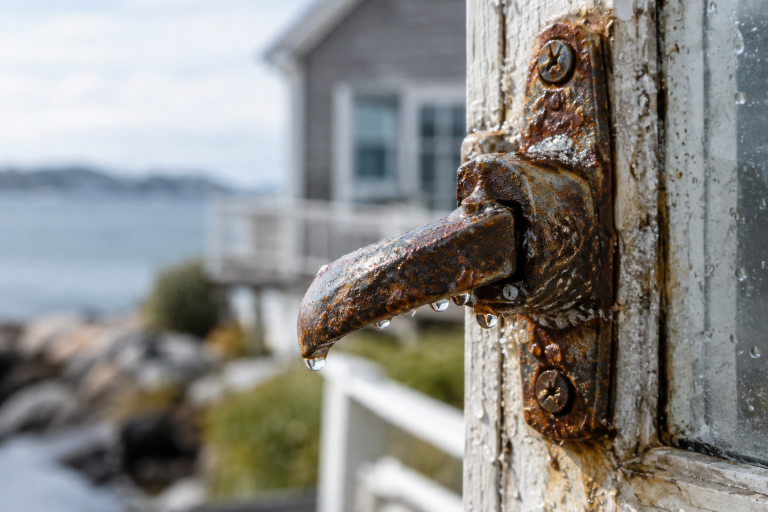
Review the roof, impact protection, windows, doors, balconies, outdoor structures, generator setup, and water-storage arrangements. Buyers should also request insurance estimates early, because coverage terms and deductibles can materially affect the ownership budget. The Bahamas government’s storm-preparedness guidance is also a practical reminder to assess shutters, emergency plans, important records, and backup supplies before hurricane season arrives.
Inspect The Home Carefully
Listing photos and a brief walkthrough are not substitutes for a thorough professional inspection. Use an inspector familiar with coastal construction where possible, and consider additional specialists for larger waterfront features or visible concerns.
Inspection Checklist
- Roof age, flashing, drainage, repairs, and signs of water entry.
- Windows, doors, shutters, seals, and corrosion around hardware.
- Electrical panels, outlets, generators, and backup systems.
- Air-conditioning equipment, plumbing, water heaters, and ventilation.
- Foundations, retaining walls, decks, pools, docks, seawalls, and fences.
- Evidence of termites, moisture damage, mold, or salt-related wear.
- Permits and approvals for additions, pools, docks, garages, and major renovations.
Calculate The Full Cost
The purchase price is only the opening number. Build an annual ownership budget that includes property insurance, real property taxes, association fees, utilities, internet, security, landscaping, pool service, routine repairs, and management if the home will sit vacant or be rented.
Create a second reserve for larger expenses, such as roof work, repainting, air-conditioning replacement, storm preparation, seawall repairs, or generator servicing. A reserve does not predict that every expense will happen at once. It simply prevents a buyer from relying on an unrealistically narrow monthly budget.
Review Legal And Ownership Details
Before paying a deposit or removing contingencies, retain a qualified Bahamian conveyancing attorney. The attorney can review the title, confirm ownership, identify any recorded restrictions or liens, examine outstanding taxes, and verify the documents required for a secure closing. Buyers planning future construction should also confirm permitted use and approvals with the relevant authorities. The Bahamas section of the 2026 real estate legal overview explains why land use, transaction taxes, foreign-buyer status, and development approvals deserve careful attention.
Non-Bahamian purchasers may be subject to registration or permit requirements depending on the property and intended use. Requirements can change, and individual circumstances matter, so buyers should obtain current legal, tax, immigration, and investment advice from licensed professionals.
Compare Nassau Neighborhoods
- Cable Beach and Sandyport: Consider these areas if beach access, dining, retail, and an active westward lifestyle are priorities. Ask about traffic patterns, beach access, and nearby development.
- Lyford Cay and Old Fort Bay: These communities may suit buyers focused on privacy and gated living. Review association fees, security arrangements, community rules, and maintenance obligations.
- Paradise Island: This location can appeal to buyers seeking resort-adjacent amenities and waterfront access. Confirm rental policies, marina arrangements, and condominium or community charges.
- Central and Eastern New Providence: These areas can offer practical access to everyday services. Compare commute times, nearby schools, shopping options, and the condition of the surrounding infrastructure.
Build A Smart Buying Process
- Set the purpose. Define whether the home is for primary living, seasonal use, rental income, or investment.
- Set the full budget. Include closing costs, annual expenses, insurance, and a repair reserve.
- Compare locations. Visit neighborhoods, check routes, and review community restrictions.
- Make a careful offer. Use appropriate inspection, legal, title, and insurance conditions.
- Complete due diligence. Coordinate the attorney, inspector, insurer, surveyor, and other specialists.
- Prepare for ownership. Arrange utilities, security, maintenance, storm-readiness supplies, and management if needed.
Common Questions From Buyers
Can Foreign Buyers Purchase Homes In Nassau?
Foreign buyers can purchase residential property in The Bahamas, but the required registration, permit, and closing documents depend on the transaction. A Bahamian attorney should confirm the current process before funds are committed.
Is A Beachfront Home Always A Better Investment?
Not automatically. Beachfront homes can offer exceptional lifestyle appeal, but they may also require higher maintenance, insurance, and storm-preparation spending. Value depends on location, condition, ownership costs, and future buyer demand.
Should Buyers Choose A Condo Or A Single-Family Home?
Condos can provide shared amenities and simpler exterior maintenance, while single-family homes may offer more privacy and control. In either case, review fees, insurance, reserves, rules, rental restrictions, and responsibility for repairs.
Conclusion
A coastal home in Nassau should be evaluated with clear eyes and a complete budget. Detailed inspections, early insurance quotes, careful legal review, and thoughtful neighborhood comparisons can help buyers choose a home that supports the lifestyle they want while respecting the realities of coastal ownership.