A Practical 2026 Checklist for Buying a Waterfront Home
Buying a waterfront home in Maryland requires careful review of access, erosion, insurance, permits, maintenance, and seasonal conditions before closing.
Key Takeaways
- Look beyond the view and compare total ownership costs.
- Verify water access, permits, inspections, and insurance early.
- Check shoreline condition and maintenance responsibilities.
- Choose the property that best fits your lifestyle and budget.
Buying a waterfront home can be deeply rewarding, but the water view is only one part of the decision. Access, erosion, insurance, maintenance, permits, and seasonal conditions can all affect whether a property remains enjoyable and affordable after closing. For buyers researching Maryland’s Eastern Shore, a local perspective can help identify questions that do not appear in a listing description. Easton, MD, real estate experts Benson & Mangold Real Estate is a Maryland Eastern Shore brokerage with experience across waterfront, residential, luxury, farm, and commercial properties in Easton and nearby Talbot, Queen Anne’s, Dorchester, Caroline, and Kent County communities. That kind of area-specific knowledge can help buyers review property records, waterfront access, and local market differences with greater context.
Why Waterfront Homes Need a Closer Look
A waterfront purchase differs from a typical residential purchase because the land, water, structures, and surrounding regulations are closely interconnected. A home may have stunning sunset views but limited boat access, a shared pier, a deteriorating bulkhead, or a shoreline that needs regular attention. The goal is not to avoid waterfront property. It is to understand exactly what is being purchased. Buyers who investigate access, condition, flood exposure, and future improvement options early are better prepared to make a sound offer.
Step 1: Define How the Property Will Be Used
Start with the property’s real purpose. Will it be a primary residence, a weekend retreat, a retirement home, or a rental investment? A second-home buyer may value privacy and boating access. At the same time, a full-time resident may place greater importance on internet service, medical care, schools, commute time, grocery access, and winter road conditions. Picture an ordinary Tuesday in January, not just a sunny summer Saturday. Consider storage for water gear, storm preparation, driveway maintenance, mail delivery, security during vacant periods, and whether the home can comfortably support your everyday routine.
Step 2: Check the Water Access and Shoreline
The word “waterfront” can describe very different settings. One property may offer deep water and a private dock, while another may face a tidal creek, marsh, pond, or beach with no practical place to launch a boat. Ask how the water is used today and what is legally permitted.
- Check water depth at normal and low tide.
- Confirm whether the dock is private, shared, leased, or subject to an easement.
- Ask about bridge clearance, navigability, and seasonal water-level changes.
- Measure usable shoreline, not simply total waterfront footage.
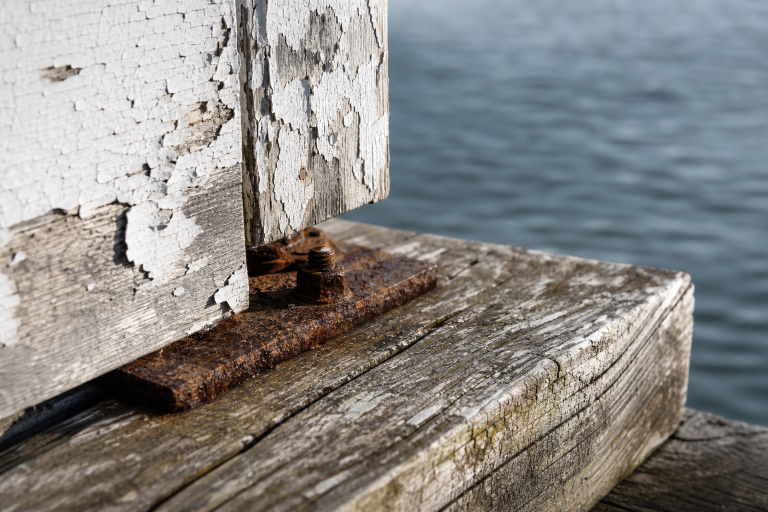
- Inspect the dock, pilings, lift, bulkhead, seawall, or pier for visible wear.
Visit more than once if possible. Wind direction, boat traffic, tides, sunlight, and noise can change dramatically throughout the day. A beautiful view does not automatically provide usable boating access.


Step 3: Review Flood Maps and Insurance Costs
Review flood information before making an offer, then request homeowners and flood insurance estimates early in the contract process. Flood zone, elevation, prior claims, replacement cost, building design, and the insurer’s underwriting can all influence the annual premium. Standard homeowners’ insurance may not cover every form of water-related damage. The FEMA Flood Map Service Center can help buyers understand flood map terminology and identify questions to ask an insurer, lender, surveyor, or local official. Map information is an important starting point, but it should be considered alongside the home’s elevation, drainage, prior water history, and inspection findings.
Step 4: Inspect the Home for Waterfront Wear
Choose a home inspector familiar with waterfront or coastal conditions. Salt air, moisture, wind, and changing water levels can accelerate wear on building materials and exterior systems. A general inspection may also need support from specialists for the dock, seawall, septic system, well, foundation, roof, or electrical work.
- Roof, siding, windows, decks, and exterior fasteners
- Foundation, crawl space, drainage, and grading
- HVAC equipment, electrical panels, and lower-level utilities
- Septic, well, sump pumps, and water-treatment equipment
- Bulkheads, piers, docks, lifts, and shoreline stabilization
Request records for major repairs, flood damage, dock work, shoreline projects, permits, and maintenance contracts. A seller’s disclosure is useful, but it does not replace independent inspections.
Step 5: Learn the Rules Before Planning Improvements
Do not assume a dock can be expanded, a bulkhead can be replaced in the same form, or a new pool and addition can be built exactly where you want them. Zoning, setbacks, wetlands rules, easements, critical-area requirements, and environmental permits may shape what is possible. For Chesapeake Bay and tributary properties, Maryland buyers should ask local planning offices about Critical Area requirements and consult the Maryland Department of Natural Resources guidance on living shorelines. Shoreline protection can involve site-specific approaches, permitting, construction limits, and ongoing maintenance.
Step 6: Compare the Full Cost of Ownership
Build an annual budget that goes beyond the mortgage payment. Include property taxes, homeowners and flood insurance, utilities, tree care, storm cleanup, dock maintenance, shoreline work, septic or well service, private-road expenses, and seasonal preparation. For example, a lower-priced waterfront home may look like the better deal until the buyer budgets for a roof replacement, drainage correction, dock repairs, and seawall work. Keep a repair reserve for major systems, especially when structures are exposed to water and weather.
Step 7: Study the Local Market, Not Just the Listing
Waterfront values can vary sharply within the same town. Compare closed sales with similar water access, shoreline condition, lot size, dock rights, flood exposure, home condition, and view corridor. Square footage alone is rarely enough to establish value. Review active listings and recent sales. Active listings show current competition, while closed sales reveal what buyers actually paid and how long comparable homes took to sell. A local agent, appraiser, and lender can each provide a different part of the picture of value.
Questions to Ask Before Making an Offer
- Is the property in a flood zone, and what insurance will the lender require?
- What have annual homeowners and flood insurance costs been?
- Who owns and maintains the dock, pier, shoreline, or access path?
- Are permits available for existing waterfront improvements?
- Has the property experienced flooding, erosion, or storm damage?
- Are there well, septic, shared-road, dock, or association obligations?
- What repairs are likely during the first five years?
- How does the property compare with recent waterfront sales?
A Simple Pre-Offer Review
- Confirm the intended use of the property.
- Review flood maps and insurance estimates.
- Visit at different tide levels or times of day.
- Inspect the home and waterfront structures.
- Check permits, zoning, easements, and restrictions.
- Estimate maintenance and reserve costs.
- Include inspection and financing protections in the offer.
Common Mistakes Waterfront Buyers Make
Common errors include falling in love with the view before evaluating the condition, waiting too long to price insurance, treating a dock or seawall as maintenance-free, overlooking drainage or septic issues, and assuming existing shoreline structures can be modified without approval. Waterfront buyers should also avoid comparing a specialized property only with standard residential sales.
Frequently Asked Questions
Is a waterfront home always a good investment?
Not automatically. Long-term value depends on location, access, condition, insurance costs, regulations, maintenance needs, and future buyer demand. Waterfront appeal can support resale value, but careful due diligence still matters.
Should buyers get a waterfront inspection?
Yes. Start with a qualified general inspector, then bring in dock, seawall, structural, septic, well, environmental, or marine specialists as conditions warrant.
How early should buyers request insurance quotes?
Request them before the inspection period ends. Insurance costs can significantly affect the monthly budget, lending requirements, and offer strategy.
Conclusion: Buy the Whole Property, Not Just the View
Waterfront ownership can be an exceptional lifestyle choice when the home fits your plans, budget, and tolerance for ongoing upkeep. Before making an offer, carefully review water access, insurance requirements, permits, property condition, shoreline maintenance responsibilities, and local resale demand. It is also important to understand seasonal maintenance costs, inspection findings, and any regulations that may affect future improvements or recreational use. Comparing these practical considerations alongside the property’s location and amenities can help you avoid unexpected expenses and ownership challenges. With thorough research and realistic expectations, the right preparation transforms an emotional first impression into a confident 2026 buying decision that supports both your lifestyle and long-term financial goals.