What To Check Before Buying A Mountain Home In Jackson Hole, Wyoming
Explore key factors for buying a mountain home in Jackson Hole, from winter access and utilities to neighborhoods, property types, inspections, and local market guidance.
Key Takeaways
- Look beyond views and finishes; mountain homes should work reliably in every season.
- Define how you will use the property before comparing homes and neighborhoods.
- Verify year-round road, driveway, and emergency access, especially for private or steep roads.
- Inspect roofs, heating, foundations, drainage, utilities, and other systems for cold-weather conditions.
- Review water, septic, power, internet, insurance, zoning, HOA rules, and rental restrictions.
- Calculate seasonal maintenance and emergency costs in addition to the mortgage and property taxes.
- Visit the property at different times and imagine how it will function during winter, storms, and extended absences.
- Use local expertise as a resource, but support it with independent inspections, insurance quotes, and legal due diligence.
A mountain home in Jackson Hole can offer dramatic views, quick access to recreation, and a lifestyle shaped by the Tetons, the Snake River corridor, and changing seasons. But a beautiful kitchen or a picture-perfect summer showing is only the beginning. Before making an offer, buyers should evaluate how the property performs when snow falls, roads ice over, utilities need service, and everyday errands require more planning. For buyers comparing neighborhoods and property types, Jackson Hole real estate experts JH Property Group offer local market guidance through its buyer and area-search resources for Jackson, Teton Village, Wilson, and nearby valley communities. Their familiarity with the region can help buyers ask more informed questions about access, property settings, and lifestyle fit, while independent inspections, insurance quotes, and legal review should remain part of every purchase decision.
A Beautiful View Is Only The Starting Point
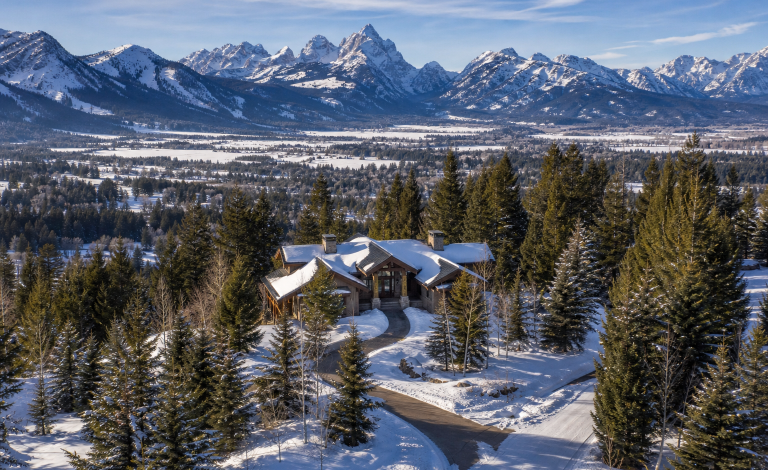
Mountain ownership is different from owning a typical suburban home. Elevation, weather exposure, steep lots, private roads, trees, snow storage, and rural utility systems can all affect comfort and cost. A house that feels effortless during a sunny July tour may reveal very different challenges during a January storm. The right property is not simply attractive. It should work reliably in every season.
Decide How You Will Use The Property
Start by defining the home’s role in your life. A full-time residence has different needs than a ski-season retreat, vacation home, short-term rental, or long-term investment property. Consider how often you will be there, whether you need dependable remote-work space, and who will handle upkeep when you are away. Your intended use can influence financing terms, vacancy requirements in an insurance policy, furnishing needs, rental restrictions, property-management costs, and travel planning. Be realistic about whether you want a low-maintenance lock-and-leave condominium or are prepared for the work that can come with a secluded home on acreage.
Look Beyond Listing Photos
Study the location as closely as the house itself. Drive the route to groceries, medical care, fuel, schools, the airport, and your most-used destinations. Test the trip at different times of day if possible. A home near Jackson, Wilson, Teton Village, or a more rural stretch of the valley may offer a distinctly different daily routine.
- Check sun exposure, wind exposure, drainage patterns, shade, and the steepness of the lot.
- Ask about cell reception and test the internet service from inside the home.
- Listen for road noise, resort activity, event traffic, and neighboring equipment.
- Visit during a busy weekend and, if possible, in a quieter season.
- Consider whether wildlife, nearby public land, trails, or waterways affect privacy and access.
Confirm Road And Driveway Access
Year-round access deserves early attention. Find out whether the road is public, privately maintained, or managed through an association. Ask who pays for plowing, sanding, tree removal, washout repairs, and surface maintenance. Review recorded easements and shared-driveway agreements before assuming that access will always be simple. Walk or drive the approach to the home with a practical eye. Steep grades, tight turns, narrow sections, bridge weight limits, and limited turnaround space can affect delivery trucks, contractors, moving vans, and emergency vehicles. In winter, a driveway’s orientation can influence how long snow and ice remain.


Inspect For Mountain Weather
Use an inspector who understands high-elevation and cold-weather homes. Ask for close attention to the roof age, flashing, attic insulation, ventilation, snow-load considerations, ice-dam history, siding, decks, retaining walls, drainage, foundations, and crawl spaces. Exterior materials that look fine at first glance may still need repair after repeated exposure to snow, sun, wind, and moisture. Heating systems also deserve a careful review. Confirm the fuel source, age, and service history of major equipment, fireplace or wood-stove condition, chimney maintenance, and carbon monoxide protection. Ask how the home is protected from frozen pipes and whether backup heat is available during an outage.
Verify Water, Septic, Power, And Internet
Utility details can determine whether a property is convenient or complicated to own. Identify whether a municipal system, a private well, a spring, or a shared system supplies the water. For a well, request available records, water-quality test results, and information on storage and treatment equipment. For a septic system, order an inspection and review the pumping and repair history. Clarify propane tank ownership, heating oil delivery arrangements, natural gas availability, generator capacity, and recent power outage experience. Do not rely on a coverage map when remote work matters. Run an internet-speed test at the property and ask what options are actually installed.
Price Insurance And Hazard Risk Early
Request insurance quotes before removing important contingencies. Coverage, deductibles, exclusions, replacement-cost limits, and vacancy conditions can vary by property and insurer. Ask specifically about wildfire, wind, hail, water damage, snow-related losses, and any requirements for maintenance or mitigation. Evaluate the setting around the home as well. Forested lots, steep slopes, drainage channels, and proximity to water can create considerations that do not appear in a listing description. Wildfire readiness is especially important in mountain settings. The landscape zones used for wildfire mitigation provide a useful framework for assessing vegetation, firewood, roof debris, and combustible materials near a structure.
Fire-Safety Questions To Ask
- Can emergency vehicles reach the home and turn around safely?
- Are smoke alarms and carbon monoxide detectors properly installed?
- Is there a practical evacuation route in more than one direction?
- Are trees, brush, leaves, and stored materials managed near the house?
- Are electrical service lines, panels, and outlets in sound condition?
- Is there a dependable water source and clear address signage for responders?
Review Zoning, HOA Rules, And Rental Limits
Never assume a home can be rented, expanded, or used like a nearby property. Review zoning, permits, recorded easements, conservation restrictions, HOA covenants, architectural rules, parking limits, and rules for guest spaces or accessory units. Confirm that decks, garages, additions, and outbuildings were properly permitted. Rental plans require special care. In unincorporated Teton County, short-term rentals are generally restricted to certain identified locations, so buyers should review the county’s property-use and rental guidance and verify the rules that apply to the specific parcel. Do not base an investment decision on a prior owner’s rental history alone.
Calculate The Full Cost Of Ownership
Build a budget that goes beyond the purchase price and the monthly mortgage payment. Divide expenses into three groups:
- Predictable costs: property taxes, insurance, utilities, HOA dues, road fees, and routine service.
- Seasonal costs: snow removal, heating fuel, driveway maintenance, landscaping, and exterior repairs.
- Emergency reserves: roof repairs, tree removal, well or septic work, generator service, storm damage, and unexpected access repairs.
Compare The Home With Real Life
Picture an ordinary weekday, not only a holiday weekend. Can deliveries reach the property? Is there enough storage for skis, bikes, tools, snow equipment, and seasonal supplies? Will older relatives and guests move safely through the driveway, steps, and entry? If you travel often, decide who will check the home after storms or during extended absences.
Use Local Knowledge And Independent Due Diligence
Local professionals can point out practical concerns that may not appear in listing data, including neighborhood access patterns, common property features, and area-specific questions to ask. Still, buyers should independently review public records, read governing documents, obtain insurance quotes, and hire qualified inspectors for the home, roof, chimney, well, septic system, and other specialized components as needed.
A Simple Pre-Offer Checklist
- Confirm the property’s intended use.
- Review year-round road, driveway, and emergency access.
- Request insurance quotes before finalizing contingencies.
- Inspect water, septic, power, heating, and internet systems.
- Review zoning, permits, HOA documents, easements, and rental rules.
- Estimate predictable, seasonal, and emergency ownership costs.
- Make sure the property supports your daily routine and long-term plans.
Buy The Property That Works In Every Season
The best Jackson Hole mountain home is not necessarily the one with the widest view or newest finishes. It is the one that fits your budget, access needs, maintenance tolerance, and plans. A thorough review of the land, structure, utilities, insurance, local rules, and real-world routine can help turn a mountain-home dream into a confident, practical purchase.
Conclusion
Buying a mountain home in Jackson Hole requires looking beyond the scenery and considering how the property will perform year-round. Weather, access, utilities, maintenance, insurance, zoning, and rental rules can all affect the true cost and practicality of ownership. By evaluating these factors alongside the home’s design, location, and intended use, buyers can better understand the trade-offs before making an offer. The ideal property offers the mountain lifestyle you want while remaining manageable, accessible, and financially sustainable year-round.


