How Fort Lauderdale, Florida Buyers Can Compare Waterfront Homes, Condos, And New Developments
Compare Fort Lauderdale waterfront homes, beach condos, and new developments with local real estate insights from Tyler Tuchow and neighborhood expertise.
Key Takeaways
- Waterfront homes, resale condos, and new developments offer different balances of privacy, maintenance, convenience, and cost.
- The asking price is only one part of the decision. Insurance, taxes, association fees, repairs, and future assessments can materially change the ownership picture.
- Waterfront buyers should look closely at flood exposure, seawalls, docks, storm protection, drainage, and nearby construction plans.
- Condo and new-development buyers should carefully review association documents, reserve funding, rental rules, deposits, warranties, and projected recurring costs.
- A written comparison process helps buyers choose based on lifestyle and long-term fit, rather than a single impressive view or amenity package.
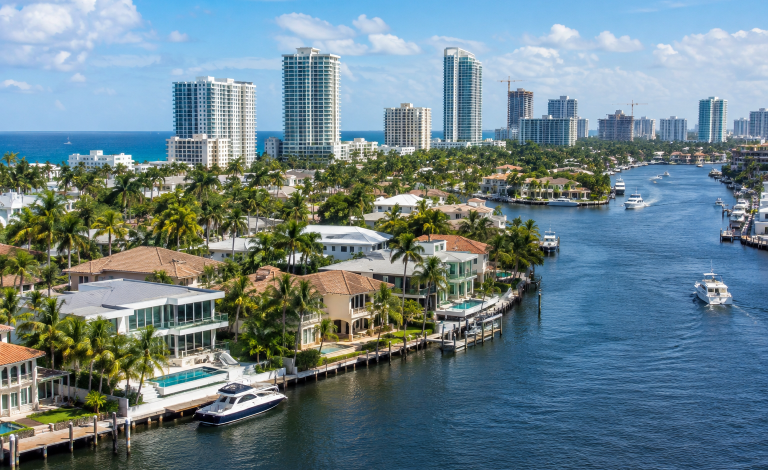
Buying near the water in Fort Lauderdale means choosing among very different ownership experiences. A canal-front home may offer a private dock and outdoor space, while a beach-area condo can provide lock-and-leave convenience. New construction may appeal to buyers seeking contemporary finishes and amenities. The strongest choice is usually the one that aligns with how the property will be used, maintained, and eventually resold.
For buyers sorting through those tradeoffs, Fort Lauderdale, FL real estate expert Tyler Tuchow provides local market guidance through Fortune Christie’s International Real Estate. His Fort Lauderdale-focused website covers property searches, buyer resources, neighborhood information, and development opportunities across areas including Las Olas, Harbor Beach, Rio Vista, Victoria Park, Downtown Fort Lauderdale, and nearby coastal communities. That local focus can be valuable when comparing waterfront conditions, building characteristics, and lifestyle differences between neighborhoods.
What Fort Lauderdale Buyers Are Seeing
Fort Lauderdale offers a broad range of residential options within a relatively compact coastal market. Buyers can consider established single-family homes along canals and the Intracoastal, resale condominiums near the beach and downtown, and newly built or pre-construction residences. Each category can meet a different goal, whether that is boating access, walkability, a second-home lifestyle, or reduced maintenance responsibility.
The area’s beach, Las Olas, Intracoastal, and downtown corridors can feel very different from one another. A buyer may value being close to restaurants and the Riverwalk, while another may prioritize a quieter street, protected dockage, or easier access to open water. Comparing the daily experience of each location is as important as comparing the interior finishes.
How The Main Property Types Compare
Waterfront Single-Family Homes
Waterfront homes can deliver privacy, flexible outdoor living, and greater control over renovations. They may also include pools, docks, boat lifts, seawalls, landscaping, gates, and other systems that require ongoing attention. Buyers who want a primary residence, seasonal retreat, or boating base may find that control worthwhile, but should plan for more hands-on ownership.
Resale Condominiums
Resale condos can simplify ownership by centralizing exterior upkeep, security, amenities, and common-area maintenance. In exchange, buyers need to understand monthly association dues, parking assignments, pet policies, rental restrictions, reserve funding, and any planned capital work. Florida buyers should request and review the condominium documents required under the state’s condominium disclosure rules before relying on a building’s marketing materials alone.


New Developments
New developments may feature current design trends, new building systems, resort-style amenities, and the appeal of being the first owner. They can also involve extended timelines, staged deposits, estimated rather than finalized operating costs, and developer contract terms that deserve careful legal review. A buyer should distinguish between a finished residence that can be inspected today and a future residence represented by plans, renderings, specifications, and a purchase agreement.
The Full Cost Of Ownership
A meaningful comparison starts with the total cost of owning each property, not simply the purchase price. Build both a monthly estimate and a five-year estimate that includes:
- Mortgage principal and interest, if financing is used.
- Property taxes, homeowner’s or condominium insurance, and flood coverage, where appropriate.
- Association dues, utilities, security, parking, storage, and marina expenses.
- Maintenance for roofs, pools, docks, seawalls, landscaping, generators, and mechanical systems.
- Possible special assessments, furnishing costs, and immediate repairs or upgrades.
A lower-priced property can become the more expensive choice if it needs major work, carries unusually high insurance costs, or has significant association obligations. Conversely, a higher initial price may be easier to justify if the building or home is in stronger condition and better matches the buyer’s intended use.
What To Check In A Waterfront Property
Waterfront ownership adds a distinctive lifestyle, but it also adds exposure to weather, salt air, water conditions, and specialized infrastructure. Before making an offer, buyers should:
- Review flood information. Use the FEMA Flood Map to understand mapped flood zones, then discuss insurance requirements and property-specific coverage with qualified professionals.
- Inspect the seawall. Ask about age, permits, repair history, visible movement, and anticipated replacement needs.
- Verify dock details. Confirm ownership rights, water depth, lift capacity, bridge clearances, utility connections, and local restrictions.
- Assess storm readiness. Review the roof, windows, doors, shutters, generator arrangements, drainage, and any prior water intrusion.
- Study the surroundings. Check nearby construction, marina activity, traffic patterns, sunlight, privacy, and whether future projects could affect access or views.
Questions To Ask About New Developments
New construction should be evaluated with the same discipline as a resale purchase, even when the presentation is polished. Ask who the developer is, what comparable projects have been completed, when delivery is expected, and how deposits are handled. Review projected association dues, insurance, taxes, reserves, closing costs, rental policies, warranties, and the developer’s ability to modify finishes, amenities, layouts, or completion dates.
Two buyers can reasonably reach different conclusions. One may prefer a finished resale condo because its monthly expenses, views, condition, and operations can be evaluated now. Another may accept a longer wait for new systems, a preferred floor plan, and modern finishes. Neither choice is automatically better. The right answer depends on timing, risk tolerance, and intended ownership period.
Matching The Property To The Neighborhood
Fort Lauderdale is not one uniform market. Before narrowing the search, compare at least three areas based on distance to the beach, airport, schools, marinas, major roads, dining, and everyday services. Also consider boating conditions, parking, seasonal noise, future development, and the type of buyer likely to value the property later.
Visit leading options more than once, including at different times of day. A return visit can reveal traffic, street activity, sunlight changes, boat traffic, elevator wait times, and parking pressure that may not be obvious during a single showing.
A Simple Property Comparison Method
Rate every serious option from one to five before discussing price or negotiating terms. Use the same categories for each property:
- Location: Access to the beach, boating, dining, work, services, and preferred daily routines.
- Total Cost: Purchase price plus taxes, insurance, dues, maintenance, and expected repairs.
- Condition: Inspections, building records, system ages, storm protection, and deferred maintenance.
- Lifestyle Fit: Privacy, outdoor space, amenities, storage, parking, pet needs, and guest accommodations.
- Future Flexibility: Resale appeal, rental rules, layout usability, and the likelihood that the home will still fit future plans.
Where Local Guidance Fits In
Local guidance can help buyers compare properties that look similar online but differ significantly in dock access, association health, maintenance exposure, neighborhood character, or long-term flexibility. Professional inspections, insurance input, legal review, and document analysis should remain part of the due-diligence process for any high-value Fort Lauderdale purchase.
Common Questions From Fort Lauderdale Buyers
Is A Waterfront Home Better Than A Waterfront Condo?
It depends on priorities. A home may provide more privacy, land, and control, while a condo may offer convenience, security, and shared amenities. Buyers should compare maintenance obligations, insurance, boating needs, and monthly costs.
Are New Developments Always More Expensive?
Not always, but they may command a higher price per square foot or require substantial deposits before completion. Compare the full projected cost, not just the advertised starting price.
What Is The Biggest Mistake Buyers Make?
Comparing by price alone. The better approach is to review inspections, insurance, association finances, reserves, rules, repair needs, and future assessments before deciding.
Conclusion
Fort Lauderdale offers many paths to owning near the water. The best option is not automatically the newest building, largest dock, or most dramatic view. It is the property that fits the buyer’s budget, routine, maintenance tolerance, and long-term plans. A careful review of location, condition, ownership costs, and future flexibility can turn a complex choice into a confident decision.