Building Stronger Relationships Through Better Communication
Effective communication builds trust and strong relationships. Learn how better dialogue resolves conflict, strengthens bonds, and supports personal and professional growth.

Strong and supportive relationships depend on effective communication. It is the bedrock for resolving conflicts, deepening trust, and nurturing mutual understanding, whether the relationships are personal or professional. Mastering communication requires intention and continual practice, but the rewards are well worth the effort. If you want to secure lasting bonds and tackle misunderstandings constructively, developing these skills is essential. For those who are navigating important discussions, seeking guidance from a professional like a civil law attorney Hackensack, NJ can sometimes be invaluable.
Acquiring better communication habits leads to smoother collaborations, more empathetic connections, and productive feedback exchanges. Each interaction shapes how others perceive us and how effectively we can advocate for ourselves and others. By focusing on open dialogue and sincere engagement, relationships become more resilient and rewarding for everyone involved.
Active Listening: The Foundation of Understanding
Effective communication starts with active listening. This means concentrating entirely on the speaker, absorbing not just their words but also their intent and emotions. Instead of simply waiting for your turn to talk, active listening requires genuine engagement and a willingness to clarify or paraphrase to deepen understanding. By practicing this, you signal respect and empathy, which can quickly diffuse tension or prevent misunderstandings. According to experts, listening with intention is a key driver of building rapport and leadership success, as you can read at Forbes.
Nonverbal Cues: The Unspoken Language
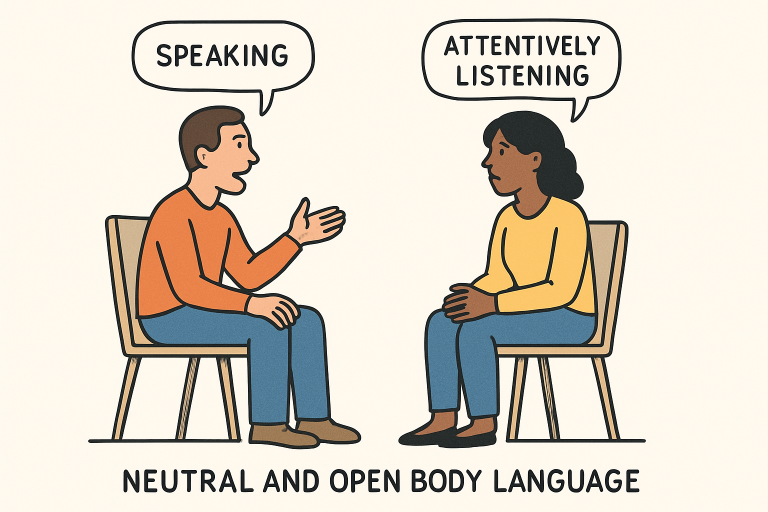
What you communicate without words can often matter more than what you say. Your facial expressions, gestures, body language, and tone of voice all contribute to your message. Ensuring they match your words makes your communication authentic and trustworthy. For example, maintaining good eye contact and an open posture promotes a sense of attentiveness, while crossed arms or averted gaze may signal discomfort. Being aware of these cues and adapting them to the context can amplify your effectiveness in every conversation.
Empathy: Walking in Their Shoes
Empathy is the skill of seeing the world through another’s perspective. When you take time to acknowledge and reflect the feelings of the person you are communicating with, your messages are better received. Empathy builds strong emotional connections, fosters understanding, and helps generate collaborative solutions to problems. It is particularly vital in high-stress or sensitive discussions, where emotions can easily overshadow logic. Practicing empathy in your everyday interactions lays the groundwork for cooperation and mutual respect.
Clarity and Concise: Say What You Mean
Clear and concise communication minimizes confusion, reduces frustration, and keeps everyone on the same page. Before speaking or writing, pause to organize your thoughts and consider your audience. Avoid using jargon or unnecessary complexity. This helps ensure your message is understood and that others can respond appropriately. Whether you are addressing a team, a loved one, or facing a dispute, being straightforward fosters trust and efficiency.


Constructive Feedback: Building Rather Than Breaking
Offering feedback is necessary for growth, but how you deliver it makes all the difference. Constructive feedback focuses on the action rather than the individual and offers suggestions with kindness and specific direction. Instead of criticizing, highlight what went well and where improvements are possible. This method encourages a culture where feedback supports rather than discourages, breeding motivation and confidence in both personal and professional relationships.
Conflict Resolution: Navigating Disagreements Gracefully
Disagreements arise in even the healthiest of relationships. Approaching conflict calmly and with an open mind is key to reaching understanding and resolution. Rather than seeking victory, focus on collaboration and compromise. Acknowledge the other person’s viewpoint, articulate your own needs clearly, and search for solutions that respect both perspectives. Effective conflict resolution not only restores peace but can also strengthen relationships for the future.
Digital Communication: Maintaining Connections in the Digital Age
Much of today’s communication happens online, where tone and intent can easily be misinterpreted. Carefully choosing your words and double-checking your messages for clarity can prevent unnecessary conflict. Whenever possible, supplement digital communication with face-to-face or voice conversations to reinforce connection. Staying mindful of your online communication style helps nurture positive relationships in both your personal and professional circles.
Continuous Improvement: The Journey to Better Communication
Great communicators are continually learning. Seek feedback from those around you and reflect on your past interactions to see what worked and what could improve. Being open to new perspectives and communication methods keeps your skills sharp as situations and relationships evolve. The journey toward exceptional communication is ongoing, but with each step, your relationships will only grow stronger and more rewarding.
Final Thoughts
Focusing on these essential strategies can transform your interactions and build stronger, more meaningful relationships at every stage of life. By practicing active listening, understanding body language, developing empathy, communicating with clarity, offering constructive feedback, resolving conflicts wisely, and adapting to digital interactions, you set the foundation for connections that last. As you continue to grow, embrace the process of learning, and your most important relationships will flourish.