Expert Personal Injury Legal Representation
Learn your rights after a motorcycle accident, common injuries, compensation options, and how experienced motorcycle injury lawyers can help.
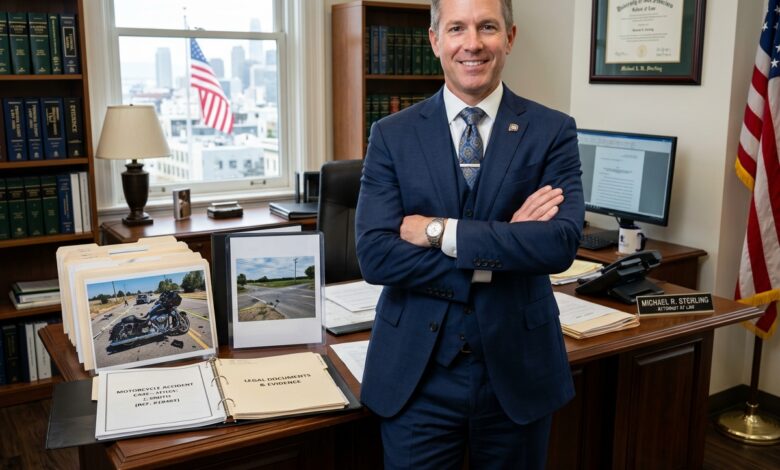
The Critical Role of Personal Injury Representation in Motorcycle Claims
The open road calls to motorcyclists. It offers freedom and excitement. Yet, this freedom comes with significant risks. In May 2026, statistics still show a harsh reality. Motorcycle riders face far greater danger than those in cars.

As it suggests a sense of liberty, it also reminds us of the ever-present hazards. Riders are significantly more likely to suffer severe injury or death in a crash. This further highlights this vulnerability.
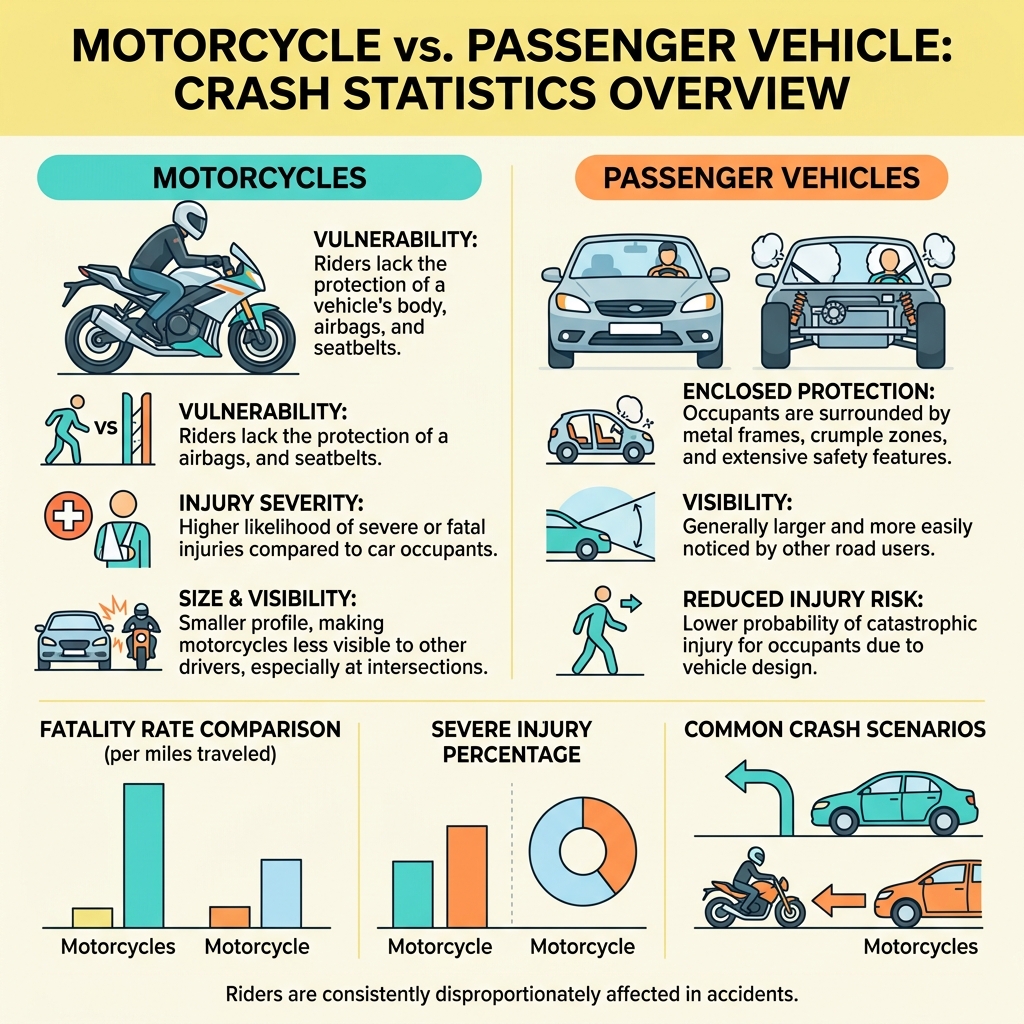
When a crash happens, the consequences can be devastating. Medical bills pile up. Lost wages create financial stress. The path to recovery is often long and difficult. This is why understanding expert personal injury legal representation is so vital. We believe that injured motorcyclists deserve strong advocacy. They need guidance through complex legal and insurance systems.
This extensive guide will help you. We will explore the common causes of motorcycle accidents and the types of severe injuries riders often face. We will also detail the crucial steps to take after an accident. Furthermore, we will explain how specialized legal professionals can assist with your claim. We will cover compensation, legal timelines, and insurance company tactics. Our goal is to empower you with knowledge. With this, you can protect your rights and future after a motorcycle accident. Navigating these complex cases requires specialized knowledge, and often, individuals seek out expert help from Board-Certified motorcycle injury lawyers.
Motorcycle accidents are distinct from other vehicle collisions. The lack of external protection for riders means injuries are often far more severe, ranging from road rash to catastrophic traumatic brain injuries. This inherent vulnerability makes the legal process following a motorcycle accident particularly complex, demanding specialized legal representation. An experienced motorcycle injury lawyer understands not only the intricacies of personal injury law but also the unique dynamics of motorcycle crashes and the biases that can affect a claim.


Our role as legal advocates is to champion the rights of injured motorcyclists. We bring extensive legal expertise to the table, handling everything from initial investigations to complex insurance negotiations and, if necessary, litigation in places like Clearwater or St. Petersburg. Without skilled representation, victims often find themselves at a significant disadvantage against well-resourced insurance companies whose primary goal is to minimize payouts. We ensure that your voice is heard, your injuries are accurately documented, and your claim reflects the full extent of your damages.
Why Specialized Personal Injury Representation Matters
One of the most profound challenges in motorcycle accident claims is overcoming the “invisible motorcycle” phenomenon, often referred to as perceptual blindness or inattentional blindness to motorcycles. Drivers frequently claim they “didn’t see” a motorcyclist, even when the rider was clearly visible. This cognitive bias can influence police reports, witness statements, and even jury perceptions, leading to unfair blame being placed on the motorcyclist. A specialized attorney understands how to counteract this bias, using accident reconstruction experts and compelling evidence to establish fault accurately.
Beyond perceptual issues, there can be an inherent jury bias against motorcyclists, often fueled by stereotypes of reckless riding. Our legal team works diligently to dismantle these preconceptions, presenting our clients as responsible individuals who were victims of another party’s negligence. We utilize advanced accident reconstruction techniques to meticulously recreate the crash, demonstrating the precise sequence of events and the other driver’s culpability. Understanding local legal standards, such as those that might apply in a community like Largo, is also crucial for building a strong, jurisdiction-specific case.
Evaluating the Quality of Personal Injury Representation
Choosing the right motorcycle injury lawyer is a critical decision that can profoundly impact the outcome of your claim. Key factors to consider include the lawyer’s experience with similar cases, their trial record, and their fee structure. Most reputable personal injury lawyers work on a contingency fee basis, meaning you only pay legal fees if they win your case. This arrangement allows injured individuals to pursue justice without an upfront financial burden.
Trial experience is paramount. While many cases settle out of court, an attorney who is prepared and willing to go to trial often secures better settlement offers. Their reputation as a formidable litigator can be a powerful negotiating tool. Furthermore, select a lawyer with deep knowledge of the specific jurisdiction, whether it’s New Port Richey or another area, as local laws and court procedures can vary. Effective client communication is also vital; you need a legal team that keeps you informed and answers your questions clearly. Before making a decision, we encourage prospective clients to research attorneys through online reviews to gain insights from past clients’ experiences.
Common Causes and Catastrophic Injuries in Florida Crashes
Motorcycle accidents stem from a variety of factors, but driver negligence is overwhelmingly the most common cause. Statistics show that motorcyclists are disproportionately affected by the carelessness of other motorists. A significant percentage of accidents involve another vehicle, and in many of these cases, the driver of the other vehicle violated the motorcyclist’s right-of-way.
Common scenarios include left-turn collisions, where a driver fails to see an oncoming motorcycle and turns directly into its path. Distracted driving, often involving cell phone use, continues to be a rampant problem, contributing to thousands of fatalities annually, as highlighted by distracted driving fatalities data. Speeding is another major hazard, reducing a driver’s reaction time and increasing the force of impact, as detailed in reports on speeding response times. These negligent actions can lead to devastating consequences for motorcyclists, who lack the protective shell of a car.
The types of injuries sustained in motorcycle accidents are often severe and life-altering. They include:
- Road Rash: Abrasions, often deep, caused by skin sliding across pavement.
- Traumatic Brain Injuries (TBI): Ranging from concussions to severe brain damage, even with helmet use.
- Spinal Cord Damage: Can result in partial or complete paralysis.
- Fractures: Multiple broken bones, often compound, requiring extensive surgery and rehabilitation.
- Amputations: Loss of limbs due to severe crush injuries.
- Internal Organ Damage: Injuries to the liver, spleen, lungs, or other organs from impact.
- Psychological Trauma: PTSD, anxiety, and depression are common after such violent events.
The “Invisible Motorcycle” Phenomenon
The concept of the “invisible motorcycle” is a critical factor in understanding accident causation. Drivers often fail to perceive motorcycles due to their smaller size, leading to motorcycles being overlooked in blind spots or during maneuvers. This lack of motorcyclist visibility is a primary contributor to collisions, particularly at intersections.
Right-of-way violations are rampant. Drivers frequently misjudge a motorcycle’s speed or distance, or simply don’t look carefully enough before turning or changing lanes. This driver negligence is a direct cause of many severe accidents. We often see this in busy urban environments, such as a busy intersection in St. Petersburg, where the flow of traffic and numerous visual stimuli can lead to drivers overlooking motorcycles. Our investigations focus on proving these failures of perception and judgment by other drivers.
Long-Term Impact of Severe Injuries
The aftermath of a motorcycle accident extends far beyond the initial recovery period. Catastrophic injuries often necessitate extensive future medical care, including long-term rehabilitation, assistive devices, and ongoing therapy. Many victims face a significantly reduced earning capacity or may be permanently unable to return to their previous employment, leading to substantial financial strain over their lifetime.
Beyond the physical and financial tolls, chronic pain and psychological trauma are common companions for survivors. The emotional scars, including post-traumatic stress disorder, anxiety, and depression, can be as debilitating as the physical injuries. These long-term impacts underscore the need for comprehensive compensation that accounts for a lifetime of care and lost quality of life. Data, such as Toronto motorcycle injury data, consistently reveals the severe and lasting consequences of these incidents.
Navigating the Legal Landscape: Florida Statutes and Liability
Understanding the specific legal framework governing motorcycle accidents in Florida is paramount for any injured rider. Florida’s statutes dictate everything from rider requirements to how fault and damages are assessed. For instance, Florida Statute 316.2085 outlines general rules that all motorcycle riders must follow, including seating, passenger limits, and handlebar specifications. Adherence to these rules can be crucial in establishing a rider’s lack of fault in an accident.
Two key legal concepts that heavily influence motorcycle accident claims are comparative negligence and the statute of limitations. Comparative negligence determines how fault is shared and how it impacts compensation, while the statute of limitations sets strict deadlines for filing a lawsuit. While Florida law governs these aspects, it’s worth noting that other jurisdictions, like New York, have their own specific regulations regarding motorcycle safety, such as New York helmet laws, which mandate helmet use for all riders. Similarly, helmets must meet federal safety standards, often referred to as FMVSS No. 218 standards, ensuring a minimum level of protection.
Understanding Comparative Negligence in 2026
Florida operates under a pure comparative negligence system. This means that if you are found partially at fault for an accident, your total compensation will be reduced by your percentage of fault. For example, if a court determines you were 20% responsible for the crash and your total damages are $100,000, you would only be able to recover $80,000. This system allows injured parties to recover damages even if they are primarily at fault, as long as they are not 100% responsible.
Establishing fault percentages is a complex process often involving detailed investigations, witness testimonies, and expert analysis. Insurance companies and opposing counsel will frequently attempt to assign a higher percentage of fault to the motorcyclist to minimize their payout. Our legal team is adept at countering these strategies, meticulously building a case that accurately reflects the other party’s negligence. Legal defense strategies often involve challenging the evidence presented by the other side and highlighting the actions of the at-fault driver. Even in provinces like Ontario, similar principles of shared fault can be found in their Highway Traffic Act, underscoring the commonality of this legal concept across different jurisdictions.
Florida’s Unique Insurance Requirements
Unlike standard car accidents in Florida, motorcycle accidents are generally excluded from Personal Injury Protection (PIP) coverage. This means motorcyclists cannot rely on their own PIP policy for immediate medical expenses and lost wages, regardless of fault. This exclusion makes securing compensation from the at-fault driver’s bodily injury liability insurance even more critical.
Given the high risk of severe injury, we strongly advise all motorcyclists to carry robust Uninsured Motorist (UM) Coverage. This vital protection steps in if you are hit by a driver who is uninsured or underinsured, covering your medical bills, lost wages, and pain and suffering. Without UM coverage, recovering compensation from such drivers can be nearly impossible. Additionally, property damage coverage handles repairs or replacement of your motorcycle. For more information on crash and citation reports, which can inform insurance needs, resources like Florida Highway Safety and Motor Vehicles can be helpful. In Florida, motorcycle accident victims have the right to seek compensation for “pain and suffering” damages without needing to prove a “permanent” injury, a significant distinction from typical auto accident cases.
Maximizing Compensation Through Expert Advocacy

After a motorcycle accident, the financial burdens can be overwhelming. Victims are entitled to seek compensation for various damages, aiming to restore them to their pre-accident financial and physical state as much as possible. This includes comprehensive coverage for medical expenses, both immediate and long-term, lost wages from time off work, and compensation for pain and suffering. Other recoverable damages can include out-of-pocket costs for things like transportation to medical appointments, loss of consortium (compensation for the impact on marital relationships), and in rare cases of extreme negligence, punitive damages.
Our role is to ensure that every aspect of your suffering and loss is meticulously documented and presented to maximize your compensation. This often involves battling insurance companies, who are notorious for employing tactics to minimize payouts.
How Insurance Companies Handle Claims
Insurance companies are businesses, and their primary objective is to protect their bottom line. After a motorcycle accident, they will often try to settle claims quickly and for the lowest possible amount. They may offer a low initial settlement, hoping you’ll accept before fully understanding the extent of your injuries or future medical needs. They may also deny liability outright or attempt to shift blame onto the motorcyclist.
Insurance adjusters are trained to find information that can limit your settlement, as detailed in explanations of insurance adjuster tactics. They might request recorded statements or push for an Independent Medical Examination (IME) conducted by a doctor they choose, often with the goal of downplaying your injuries. It is crucial never to give a recorded statement or agree to an IME without first consulting with your attorney. All medical treatment, whether at a local hospital or a specialized clinic, should be thoroughly documented, and while the link provided is for general hospital locations in Ontario, the principle of documenting medical treatment is universal for any claim.
Proving Fault and Damages
A successful motorcycle accident claim hinges on proving two key elements: the other party’s fault and the extent of your damages. This requires a thorough and systematic approach to evidence collection. Crucial pieces of evidence include police reports, which provide an official account of the accident, and witness statements, which offer unbiased perspectives. Medical documentation, including hospital records, doctor’s notes, and imaging results, is essential to establish the nature and severity of your injuries.
Accident scene photography, capturing vehicle damage, road conditions, and any relevant debris, can be invaluable in reconstructing the event. In complex cases, expert testimony from accident reconstructionists, medical specialists, or vocational experts can further strengthen your claim. While the provided link focuses on Canadian motorcycle fatality statistics, the general principle of gathering comprehensive evidence to support a claim is universal and vital for securing fair compensation.
Immediate Steps to Protect Your Legal Rights
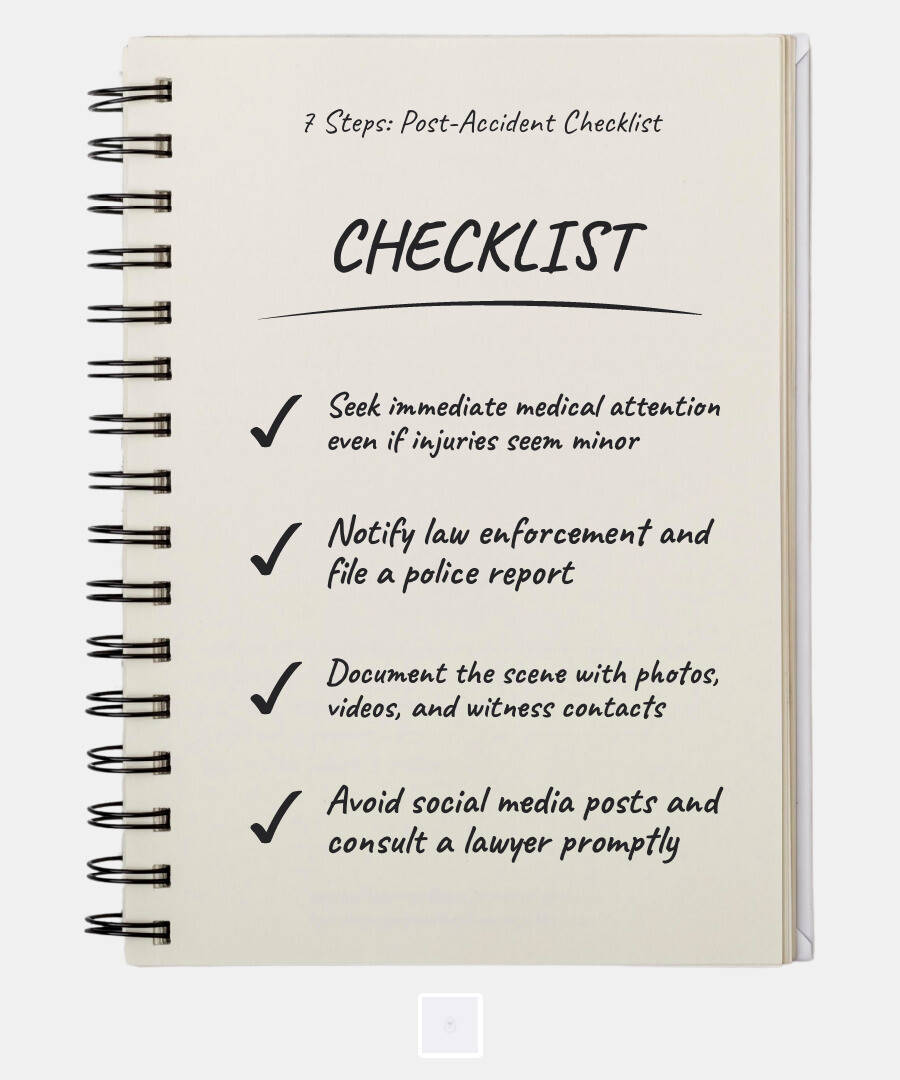
The moments immediately following a motorcycle accident can be chaotic and disorienting, but the actions you take can significantly impact your legal claim. Your health and safety are paramount. First and foremost, seek medical attention, even if you feel your injuries are minor. Adrenaline can mask pain, and some severe injuries, like internal bleeding or concussions, may not be immediately apparent. Prompt medical evaluation creates an official record of your injuries, which is crucial for your claim.
Next, notify law enforcement. A police report provides an objective account of the accident and can be vital evidence. While waiting for authorities, if you are able, begin to preserve evidence. Take photos or videos of the accident scene, vehicle damage, road conditions, and any visible injuries. Gather contact information from witnesses and the other driver involved. Finally, exercise extreme caution with social media; avoid posting about the accident or your injuries, as these posts can be used by insurance companies to undermine your claim. Statistics, including Canadian motorcycle fatality statistics, underscore the severity of these incidents and the importance of taking every step seriously.
Gathering Critical Evidence at the Scene
Collecting detailed information at the accident scene is one of the most proactive steps you can take to protect your legal rights. This includes:
- Contact Information: Exchange names, phone numbers, addresses, and insurance details with all involved drivers.
- Photo Documentation: Use your phone to take extensive photos and videos of the accident scene from multiple angles. Capture vehicle positions, damage, road conditions (skid marks, debris), traffic signs, and weather factors.
- Witness Information: Obtain names and contact details from anyone who saw the accident. Their unbiased testimony can be invaluable.
- Road Conditions: Note any hazards like potholes, construction, or poor lighting.
- Weather Factors: Document rain, fog, ice, or bright sunlight that might have contributed to the accident.
Beyond the immediate aftermath, maintaining your motorcycle with regular motorcycle safety checks can also be a proactive measure that demonstrates responsible riding, which can be helpful in a legal context.
When to Consult a Professional
The decision to consult a motorcycle injury lawyer should be made as early as possible after an accident. Early intervention by a legal professional can prevent critical mistakes, ensure all evidence is properly gathered, and protect you from aggressive insurance tactics. Legal deadlines, such as the statute of limitations, vary by state and can be complex, making timely legal advice essential.
Whether you’re in Clearwater facing a complex litigation process or in Tampa dealing with immediate medical concerns, an attorney can guide you. They can also help you understand your rights and options, similar to how Binghamton legal resources might assist a rider in New York. A free initial consultation can provide clarity on your case’s viability and the potential for compensation, allowing you to focus on your recovery while your legal team handles the complexities.
Frequently Asked Questions about Motorcycle Claims
We frequently encounter similar questions from individuals seeking guidance after a motorcycle accident. Here, we address some of the most common inquiries to provide clarity on the legal process.
What is the statute of limitations for a motorcycle accident in Florida?
In Florida, as of May 2026, the statute of limitations for personal injury claims, including those arising from motorcycle accidents, is generally two years from the date of the accident. This means you typically have two years from the date of your injury to file a lawsuit. However, specific circumstances, such as cases involving minors or wrongful death, may alter this timeline. It is crucial to consult with an attorney promptly to ensure you do not miss this critical deadline, as failing to file within the statutory period will likely forfeit your right to seek compensation.
How does comparative negligence affect my compensation?
Florida follows a pure comparative negligence system. This legal doctrine allows you to recover damages even if you are partially at fault for the accident, but your compensation will be reduced by your percentage of fault. For example, if a court determines your total damages are $100,000, but you were 20% at fault for the accident, your recoverable compensation would be reduced by 20%, meaning you would receive $80,000. Our legal team works to minimize any assigned fault to maximize your recovery.
Can I seek compensation if I wasn’t wearing a helmet?
Yes, you can still file a claim and seek compensation even if you were not wearing a helmet at the time of your motorcycle accident, provided another party’s negligence caused the crash. However, the defense may argue that your failure to wear a helmet contributed to the severity of your head injuries, potentially reducing your recovery under Florida’s comparative negligence rules. This is often referred to as the “helmet defense.” An experienced attorney can counter this argument by demonstrating that the other driver’s negligence was the primary cause of the accident and that your injuries would have occurred or been severe regardless of helmet use, or by showing that the helmet would not have prevented the specific injury.
Conclusion
Navigating the aftermath of a motorcycle accident can be one of the most challenging experiences of your life. The physical pain, emotional trauma, and financial burdens can feel insurmountable. However, you do not have to face these challenges alone. As this guide illustrates, understanding your rights, the legal process, and the value of expert legal representation is crucial for securing the justice and compensation you deserve.
From the moment an accident occurs, every step you take, from seeking medical attention to documenting the scene, plays a vital role in building a strong claim. The complexities of Florida’s comparative negligence laws, unique insurance requirements, and the persistent biases against motorcyclists underscore the need for specialized advocacy. Our commitment is to provide that steadfast support, fighting tirelessly against insurance companies and ensuring your voice is heard.
We believe in focusing on your recovery while we handle the legal intricacies. With skilled legal counsel, you can pursue fair compensation for your medical expenses, lost wages, pain, and suffering, and secure your future. Don’t let the legal system or insurance company tactics overwhelm you. If you or a loved one has been injured in a motorcycle accident, we encourage you to seek professional legal advice. For a comprehensive discussion of your case and to understand how we can help advocate for you in Clearwater, we invite you to BOOK A FREE CONSULTATION today. Your journey to justice begins with informed action.