Key Takeaways
- Technological advancements are revolutionizing auto repair accounting, enhancing efficiency and accuracy.
- Cloud-based management systems streamline operations and improve data accessibility.
- Artificial intelligence (AI) is transforming diagnostics and customer service in the auto repair industry.
- Digital tools are reshaping the modern auto repair shop, requiring adaptation to new technologies.
Introduction
The auto repair industry is evolving rapidly as new technology continues to redefine every aspect of the business—from diagnostics to payment processing. This technological shift is especially significant in auto repair accounting, where modern solutions are improving accuracy and transparency for both shop owners and customers. For those partnering with a repair shop management company Walnut Creek CA, this shift is particularly important as it helps align operational systems with modern efficiency standards. For those seeking streamlined operations and higher client satisfaction, adapting to this new era is essential. As management challenges grow, more businesses are opting for innovative partners.
By leveraging digital solutions, repair shops can connect accounting, customer service, and shop operations into a cohesive workflow. This ensures not only fewer errors but also enables quick access to critical data from anywhere. Across the country, repair shops are finding that technology is key to maintaining profitability and competitiveness.
As customers increasingly expect greater transparency and better communication, adopting modern accounting practices is no longer optional. Integrated digital systems enable repair shops to meet these evolving expectations while also boosting their own efficiency and compliance.
As auto repair management grows more sophisticated, embracing these new tools becomes paramount for success. Shop owners committed to excellence must not only understand these advancements but also invest in ongoing training and support to get the most from modern tools.
Cloud-Based Management Systems
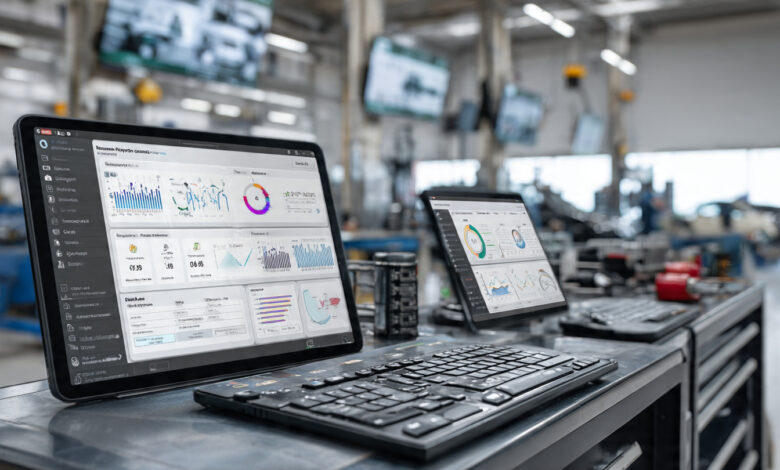
Auto repair shops once relied on fragmented processes, switching between different tools for estimates, payments, and marketing. This often resulted in data silos, double entries, and accounting discrepancies. Today, cloud-based management systems are transforming the industry by integrating critical business operations into a single, secure platform. These systems allow shop owners to monitor transactions, track inventory, and communicate with customers all in one place, enhancing operational efficiency.
The move to cloud-based platforms grants staff real-time access to financial and operational data, regardless of location. This access improves workflow management, reduces errors, and increases overall productivity for shops of all sizes. For repair shop managers, automating everyday processes minimizes manual errors and delivers a more streamlined bookkeeping environment. Customers are also benefiting from these cloud solutions, which often offer improved billing transparency, reminders for upcoming services, and secure online payment options. Cloud-based operations are reducing confusion about services and helping both customers and shop owners track repairs and expenses more easily.



Artificial Intelligence in Auto Repair
Artificial intelligence (AI) is revolutionizing diagnostics and customer service in the auto repair industry. By harnessing powerful data analytics, AI-driven tools detect vehicle failures faster and with greater accuracy than traditional diagnostic methods. These systems analyze enormous amounts of vehicle sensor data, previous maintenance history, and even manufacturer updates to pinpoint problems and suggest repair solutions.
AI’s influence stretches beyond identifying faults. It powers automated chatbots and customer service platforms that provide real-time updates, schedule appointments, and answer client queries. This streamlines the user experience and builds trust between customers and repair shops. The smart application of AI is already helping auto shops deliver faster, smarter, and more reliable service.
Digital Tools and Automation
The adoption of advanced digital tools is changing how shops conduct daily operations and engage customers. Modern diagnostic scanners, shop management software, and online scheduling platforms are now standard infrastructure for leading auto repair businesses. With integrated software, mechanics can quickly assess problems using comprehensive digital readouts and share repair updates with customers electronically, reducing wait times and miscommunication.
Automation is another growing force in repair shop management. Automated systems manage inventory, process invoices, and send follow-up reminders, while digital inspection software provides customers with visual explanations of recommended work. These advancements require technicians to continue developing their digital proficiency, aligning their technical know-how with the evolving demands of the industry.
Data Analytics and Predictive Maintenance
Data analytics is pivotal in the modern auto repair landscape. By examining customer feedback, repair trends, and shop performance statistics, management can identify shortcomings and proactively optimize business operations. The shift to data-driven decision making marks a notable departure from traditional “gut feeling” management, emphasizing measurable outcomes and continuous improvement.
Predictive maintenance is one of the most practical applications of analytics in the auto repair world. Sophisticated algorithms analyze vehicle usage patterns and sensor data to forecast which components are likely to need attention soon. This allows shop managers to anticipate client needs and reduce the incidence of emergency repairs. By initiating timely maintenance, repair shops can save customers significant expenses and foster loyalty.
Challenges and Considerations
Transitioning to new technologies brings both opportunities and obstacles. Repair shops must commit to ongoing staff training and system upgrades, and ensure adequate data protection for customers and business records. Integrating new systems with legacy setups can also be complex and resource-intensive, especially for shops with established routines and large data sets.
Despite these challenges, most industry experts agree that technology-driven repair shops will enjoy marked gains in productivity, transparency, and customer satisfaction. Careful planning, comprehensive training, and the development of in-house tech expertise will be crucial for those who aim to thrive in this fast-changing environment.
Conclusion
Technology is ushering in a new era for auto repair accounting, making everyday operations more efficient, accurate, and transparent. The adoption of integrated cloud solutions, artificial intelligence, and digital automation is enabling shops to meet changing consumer expectations and drive sustainable growth. By investing in these tools and prioritizing ongoing staff development, modern repair shops can deliver better service and sleek operations, ensuring relevance and success in the digital age.