Innovative Strategies to Increase Commercial Property Value in 2026
Discover smart strategies to boost commercial real estate value in 2026. Learn trends, tech insights, and property management tips to stay competitive.
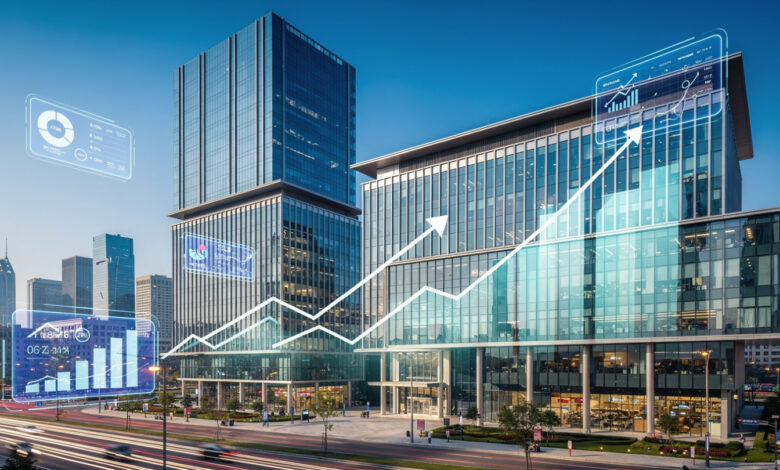
Commercial real estate is experiencing rapid change as new technologies and societal shifts shape market priorities. Owners and managers eager to maximize their property value need proven approaches that adapt to these transformations. As we look ahead to 2026, employing modern, thoughtful strategies is essential to remain competitive and profitable. Incorporating region-specific expertise, trusted services such as property management Houston can also provide significant advantages in both daily operations and long-term asset appreciation.
The evolving commercial landscape means that tenant expectations are changing, and sustainability initiatives and digital tools are no longer considered optional. Property managers must take a holistic view, marrying financial interests with environmental stewardship, advanced building automation, and meaningful engagement with the people who occupy and surround their properties. Implementing these strategies not only future-proofs assets but also attracts high-quality tenants willing to pay a premium for spaces that meet their standards.
Leaders who respond proactively can differentiate their properties by creating more resilient, appealing, and valuable commercial environments. As competition intensifies, understanding and acting on these strategies will be the difference between merely keeping pace and outpacing the market.
Whether you oversee office towers, retail centers, or mixed-use developments, these innovative practices provide a roadmap to improve your assets’ financial performance and market standing.
Implementing Sustainable Practices
Sustainability is central to modern property management strategies. Commercial buildings account for a significant portion of U.S. greenhouse gas emissions, according to the Environmental Protection Agency. As regulations tighten and businesses prioritize sustainability, implementing green building practices is smart business. Upgrading HVAC systems, installing LED lighting, and earning certifications such as LEED not only minimize environmental impact but also reduce utility costs and attract eco-conscious tenants. Additionally, smart landscaping and waste reduction programs can further improve energy efficiency and community image.
Integrating Advanced Technology
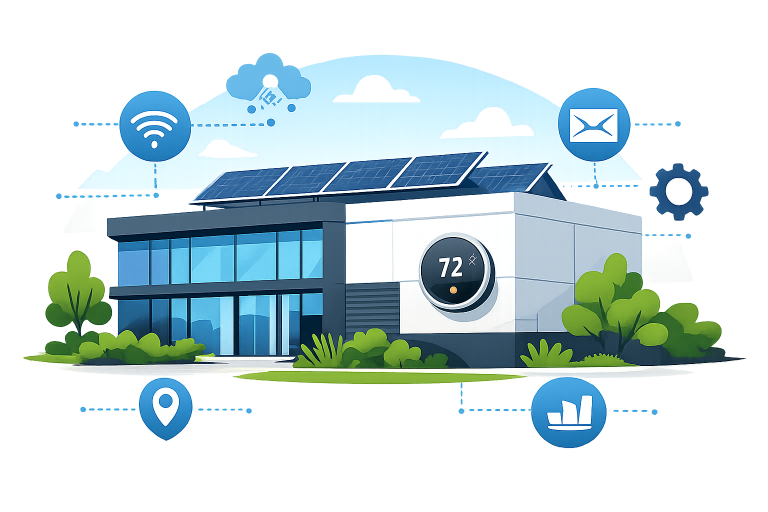
Incorporating advanced technologies is a powerful driver of property value. Innovations such as Internet of Things (IoT) sensors, smart thermostats, app-based building management, and advanced security solutions enhance operational efficiency. They also improve safety, data collection, and real-time response. Providing robust internet connectivity and tech amenities remains essential for today’s businesses that demand seamless digital workspaces. Investing in technological upgrades signals to prospective tenants that your property supports productivity and modern business practices.


Enhancing Tenant Experience
Retention hinges on tenant satisfaction. Amenities such as wellness centers, rooftop lounges, collaborative meeting areas, and touchless entry points directly contribute to tenant happiness and retention. Management’s responsiveness is equally vital: collecting regular feedback and promptly addressing requests helps foster trust and loyalty. In competitive urban markets, small details can sway lease decisions. Personal touches, on-site events, and regularly refreshed communal spaces emphasize a property’s commitment to delivering an outstanding tenant experience.
Creating Flexible Workspaces
The hybrid workforce trend shows no sign of slowing, and with it, demand for configurable commercial environments is at an all-time high. Businesses often need the ability to scale up, down, or reconfigure their space without long lead times or costly buildouts. Properties offering adaptable layouts, modular furnishings, and access to both private and shared work areas are more resilient in the market. Including zones for co-working, breakout meetings, or collaboration makes the property appealing to a broader tenant pool, including startups and established organizations adapting their workplace strategy. For additional insights on flexible workspace demand trends, see this Forbes Business Council report.
Conducting Comprehensive Market Analysis
Regularly analyzing market trends is essential for maximizing property value and ensuring competitive positioning. Reliable data on local real estate trends, demographic changes, and economic indicators allows owners to make strategic decisions regarding renovations, leasing rates, and marketing. Working with experienced advisors, subscribing to commercial real estate intelligence services, and monitoring peer properties are all effective ways to identify emerging risks and opportunities. Responsive market analysis is not a one-time task but an ongoing discipline that gives property managers a crucial edge.
Adopting Proactive Maintenance Strategies
Deferred maintenance can quickly erode a property’s value, yet proactive care preserves assets and enhances tenant experiences. Establishing a detailed maintenance schedule, employing predictive analytics for building systems, and conducting routine inspections reduces the risk of unexpected breakdowns. Upgrading aging infrastructure before it fails not only prevents costly emergencies but also reassures current and prospective tenants of management’s reliability. Consistent investment in upkeep ensures the property remains both safe and appealing.
Engaging with the Community
Strong local connections can differentiate a property in a crowded marketplace. Participation in community events, support of local charities, and partnerships with neighborhood businesses signal that the property owner is invested in the long-term well-being of the area. This approach can enhance a property’s reputation and attract tenants looking for a landlord who values civic responsibility and neighborhood vitality. In some cases, active community engagement may support favorable zoning decisions, joint marketing efforts, or collaborative safety initiatives.
Conclusion
The commercial real estate industry is evolving rapidly, driven by technology, tenant needs, and increasing environmental awareness. Staying ahead means taking deliberate steps to embrace sustainability, integrate modern technology, prioritize tenant satisfaction, and foster meaningful connections with the community. Applying these innovative strategies today positions properties as market leaders and maximizes their value for years to come.