Hiring a Licensed Electrical Contractor for Residential Projects
Keep your home safe and efficient by hiring a licensed electrical contractor in Greenwood, AR for compliant, reliable electrical repairs and installations.
Key Takeaways
- Licensed electricians bring expertise, training, and up-to-date certifications to your residential project.
- Choosing unlicensed contractors exposes you to legal, financial, and safety risks.
- Always verify a contractor’s credentials and insurance before signing any agreement.
Ensuring your home’s electrical system is both safe and efficient is essential for every homeowner. When you need to repair, renovate, or install electrical systems, working with a professional is non-negotiable. Bringing in a licensed electrical contractor Greenwood, AR, can help you meet local regulations, avoid dangerous setbacks, and keep your property and loved ones safe from electrical hazards.
Licensed electrical contractors are not just a legal requirement for certain types of electrical work in most states, but they also offer peace of mind. These professionals have the training, knowledge, and insurance to handle even complex residential tasks without exposing you to undue risk. Ignoring this step in home projects often leads to code violations and serious safety threats.
For homeowners, the prospect of DIY or hiring unlicensed individuals may seem convenient or cost-effective at first. However, the dangers associated with amateur electrical work far outweigh any perceived savings. Making sure the contractor is fully licensed and insured is a critical first step before any work begins.
Undertaking any electrical project comes with responsibilities, including understanding legal requirements, securing permits, and passing inspections. Navigating this process with the support of a licensed electrician keeps your investment safe and up to code under local, state, and national standards. For a deeper look into these requirements, refer to resources from the U.S. Consumer Product Safety Commission on home electrical safety best practices.
Importance of Hiring a Licensed Electrical Contractor
Licensed electrical contractors are subject to ongoing education and rigorous testing to maintain their credentials. This professional foundation means they approach every job with the knowledge needed to ensure safety, reliability, and efficiency. By working in accordance with the National Electrical Code (NEC) and state and local regulations, a licensed contractor can help minimize the risks of shocks, electrical fires, and other household dangers.


They also bring the expertise to address hidden electrical problems that could pose risks over time, offering solutions that balance immediate needs with future safety and performance.
Risks Associated with Unlicensed Electrical Work
Hiring unlicensed individuals for electrical work can seem less expensive, but it’s a gamble that typically ends up costing more in the long run. Common consequences include faulty installations, overloaded circuits, exposed wiring, and failure to meet code. According to the U.S. Fire Administration, electrical malfunctions are among the leading causes of residential fires, and many are linked directly to poor-quality work or a lack of proper oversight.
Legal repercussions may also follow. In many states, insurance claims related to electrical fires or injuries can be denied if an unlicensed worker performed the work. Homeowners may be left to handle lawsuits and out-of-pocket expenses that are otherwise covered under standard policies.
Verifying Credentials and Insurance
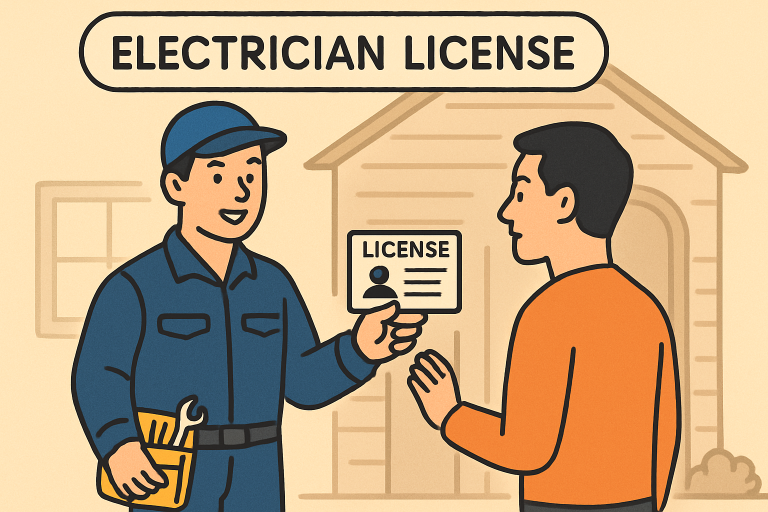
Before hiring, always confirm that your chosen contractor holds a valid, up-to-date license and sufficient insurance. States like Washington make this process easy through online lookup tools that display a contractor’s license status, insurance proof, and bond coverage. Taking this step protects your property and ensures recourse if anything goes wrong during or after your project.
Request to see the actual documentation. A reliable contractor will be glad to provide proof and often encourages verification as part of their commitment to transparency and professionalism.
Understanding Local Regulations and Permits
Electrical work frequently falls under the oversight of local building authorities. Even seemingly minor projects, like installing additional outlets or upgrading a panel, often require permits and inspections. These measures are not bureaucratic hurdles, but essential steps in maintaining safety and standardization across homes and neighborhoods. In places like California, for example, general contractors cannot perform electrical work unless they are qualified or subcontract the job to a certified electrician. This ensures every phase of electrical work is completed by someone who understands applicable laws and standards. The National Association of Home Builders provides more information on why obtaining proper permits is vital to residential safety and compliance.
Questions to Ask Before Hiring
- Can you provide your license number and proof of insurance?
- Do you have experience with residential projects similar to mine?
- Can you share references from previous homeowners you’ve assisted?
- Will you handle all necessary permits and arrange for required inspections?
- What is the projected timeline and estimated cost for this work?
These questions help clarify expectations upfront and protect you from surprises or subpar work down the line.
Benefits of Professional Electrical Services
Hiring a licensed electrical contractor brings multiple benefits. Beyond keeping your home and family safe, a licensed professional ensures that your project is completed to code, minimizing the need for costly re-work in the future. Licensed contractors also understand innovations in energy efficiency, smart home integration, and safety technology, providing guidance that enhances long-term value and lowers operational costs.
Professional contractors handle paperwork, coordinate with inspectors, and troubleshoot unforeseen issues, saving you significant time and hassle. Their knowledge of industry-standard practices helps secure your investment, whether you plan to stay in your home or sell it later.
Conclusion
The decision to invest in a licensed electrical contractor for your residential project is an investment in the long-term safety, reliability, and value of your home. Conduct careful research, verify credentials, and ask the right questions before hiring. In doing so, you protect yourself from avoidable risks and ensure that your electrical work stands the test of time.