The Future of Sustainable Boating Technology
Discover electric boats 2022: zero-emissions propulsion, sustainable materials, fast charging, and lower costs for eco-friendly boating.

The Engineering Behind Modern Electric Marine Propulsion
 The maritime world is quietly undergoing a profound transformation. We are witnessing the dawn of a new era in boating, one powered by electricity. This shift is not just about adopting new technology; it represents a commitment to cleaner oceans, quieter waterways, and a more sustainable future for marine recreation.
In 2022, electric boats truly moved from niche concept to mainstream reality. We saw remarkable innovations and a growing range of models that changed perceptions about performance and practicality. These vessels offer a compelling alternative to traditional fossil-fuel-powered boats, delivering a superior experience with no emissions or excessive noise.
Throughout this article, we will explore the exciting landscape of electric boats in 2022. We will delve into the cutting-edge engineering behind modern electric marine propulsion, examining how advancements in systems like those offered by Flux Marine electric boat propulsion are setting new standards for efficiency and power. We will also look at the sustainable materials used in their construction, the vital role of charging infrastructure, and the compelling economic realities that make electric boating an increasingly attractive choice for discerning enthusiasts.
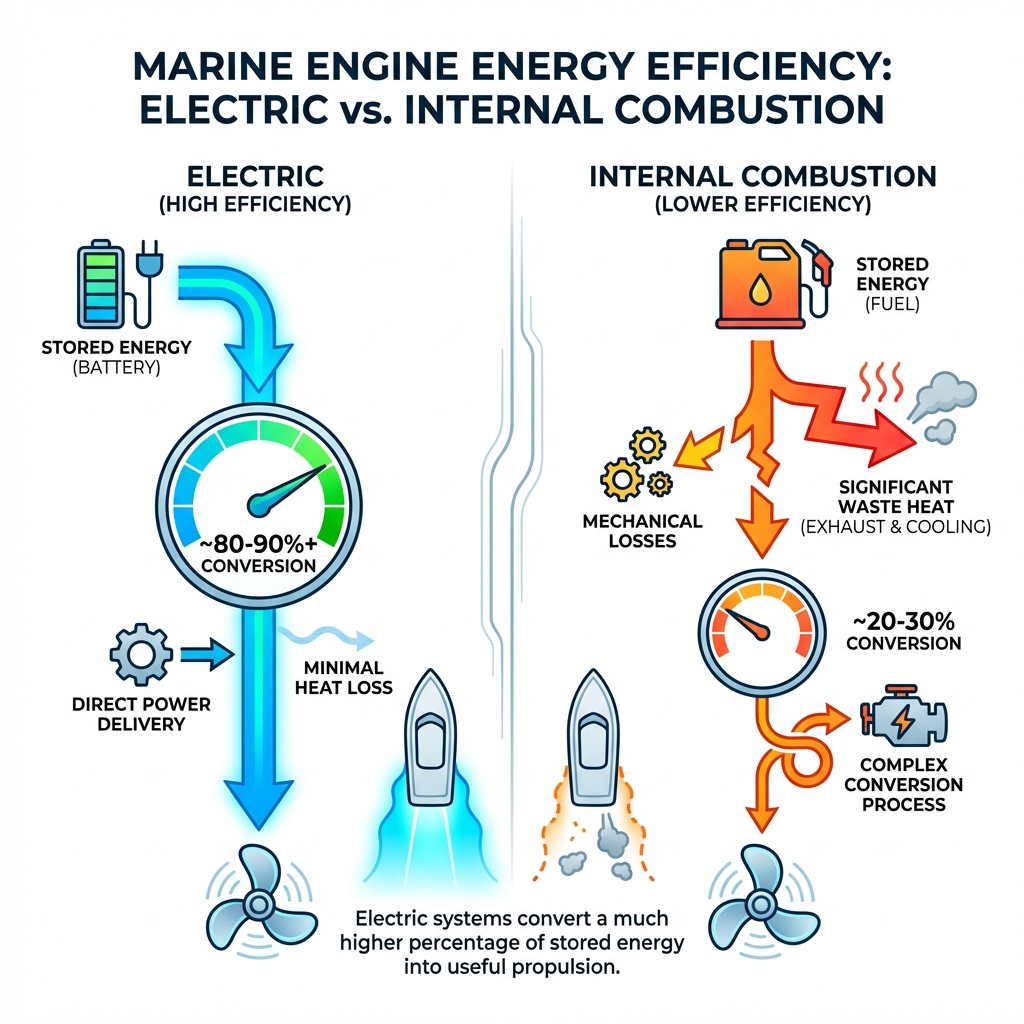
The heart of any electric boat is its propulsion system, and in 2022, we saw significant leaps in the engineering that drives these vessels. Modern electric outboard motors, for instance, are marvels of design, offering instant torque curves that translate into exhilarating acceleration and precise control. Unlike internal combustion engines, which need to build RPM, electric motors deliver maximum power from a standstill, providing immediate response for docking maneuvers or quick bursts of speed.

This efficiency is further enhanced by high power density, allowing powerful motors to be housed in compact, streamlined units. Advanced thermal management systems are crucial, ensuring that batteries and motors operate within optimal temperature ranges, which is vital for sustained performance and longevity. Many electric systems now feature direct drive mechanisms, eliminating complex gearboxes and transmissions. This not only reduces mechanical losses but also significantly reduces maintenance requirements, a significant advantage over traditional setups. The overall energy conversion efficiency of electric propulsion far surpasses that of fossil fuel engines, meaning more of the stored energy is translated into forward motion, reducing waste and extending range.


Performance Metrics of Electric Marine Propulsion
The performance capabilities of electric boats in 2022 challenged many preconceived notions. We observed boats with impressive acceleration, capable of reaching planing speeds quickly and smoothly. Peak power outputs, such as those from 125kW motors, enabled top speeds of 30 knots (approximately 35 mph), making them suitable for a variety of recreational activities. The precise throttle response of electric systems provides unparalleled control, which is particularly beneficial for navigating crowded marinas or challenging waters. Moreover, the excellent low-RPM handling characteristics allow for effortless slow-speed cruising and docking, enhancing the overall boating experience.
Future Trends in Electric Marine Propulsion
Looking ahead, the trajectory of electric marine propulsion promises even more exciting developments. Hydrofoil integration, already seen in cutting-edge models like Candela’s offerings, significantly reduces drag by lifting the hull out of the water, resulting in dramatic improvements in efficiency, speed, and range. This technology is set to become more commonplace, transforming how we experience high-speed electric boating.
The evolution of battery technology, particularly the advent of solid-state batteries, holds the potential for even greater energy density, faster charging times, and enhanced safety. Autonomous docking systems and advanced navigation aids are also on the horizon, promising to simplify boat handling and improve safety. Furthermore, the concept of Vehicle-to-Grid (V2G) technology, where electric boats could potentially feed energy back into the grid when docked, could turn vessels into mobile power storage units. Software-defined vessels, with over-the-air updates and integrated intelligent systems, will continue to enhance the user experience, optimize performance, and enable predictive maintenance.
Sustainable Materials and Environmental Integration
Beyond the electric powertrain, the commitment to sustainability in 2022 electric boats extended to their very construction. Manufacturers increasingly turned to eco-friendly materials to minimize their environmental footprint. For instance, some leading models featured flax fiber hulls, a renewable resource that offers comparable strength to fiberglass with a much lower environmental impact. Recycled PET (polyethylene terephthalate), commonly found in plastic bottles, was also incorporated into various components, giving waste materials a second life.
Cork decking emerged as a standout sustainable alternative to traditional teak wood. Not only is cork a rapidly renewable resource, but it also offers excellent grip, durability, and insulation properties, making it both functional and environmentally conscious. The shift towards such materials is a testament to the industry’s dedication to eco-conscious manufacturing, taking into account the entire lifecycle of the boat.
Innovations like X Shore’s built-in Sea Lab software exemplify this holistic approach. This advanced system collects real-time water data, including pH levels and oxygen saturation, directly from the surrounding environment. This not only provides valuable insights for researchers and environmental agencies but also allows boaters to actively monitor and understand the health of the waterways they enjoy. By integrating such technology, electric boats become more than just vehicles; they become tools for environmental stewardship, helping to reduce our collective carbon footprint and promote healthier aquatic ecosystems.
Real-World Environmental Impact
The real-world benefits of these sustainable practices are profound. Electric boats produce zero emissions, eliminating harmful exhaust that contributes to air pollution and harms marine life. The absence of internal combustion engines also means no oil leaks or fuel spills, directly preventing water pollution and protecting delicate aquatic habitats.
Perhaps one of the most immediate and appreciated impacts is the silent operation of electric boats. This drastically reduces noise pollution, allowing for tranquil cruising experiences where the sounds of nature, rather than an engine, dominate. This quietness is not just for human enjoyment; it also minimizes disturbance to marine animals, particularly in sensitive breeding or feeding grounds. Furthermore, the minimal wake generated by many electric designs, especially hydrofoiling models, helps comply with no-wake zone regulations and prevents shoreline erosion, contributing to the overall protection of coastal and inland aquatic ecosystems.
Charging Infrastructure and Battery Management
The widespread adoption of electric boats hinges significantly on the availability and efficiency of charging infrastructure, as well as on sophisticated battery management systems. In 2022, we saw a growing focus on developing diverse charging options to meet varying needs and locations.
For most recreational users, Level 2 charging, typically delivered via 220V systems, became the standard. This allows for convenient overnight charging at marinas or private docks, ensuring the boat is ready for use the next day. While slower, it’s widely accessible and sufficient for regular use. For those seeking faster turnaround times, Level 3 DC fast charging, utilizing 440V infrastructure, began to emerge in more prominent boating hubs. These high-power chargers can significantly reduce charging times, with some systems able to replenish a substantial portion of a boat’s battery capacity in under an hour. For example, a 63kWh battery pack could reach 80% capacity in approximately 1.5 hours using a 22.5 kW charger, or as little as 50 minutes with a 45 kW charger.
Effective battery management is paramount for the performance and longevity of electric boats. Advanced systems are designed to optimize range by carefully managing power delivery and monitoring energy consumption. These systems also play a crucial role in the battery lifecycle, ensuring cells are charged and discharged optimally to maximize their lifespan. State-of-charge monitoring provides accurate, real-time information to boaters, reducing range anxiety. Furthermore, sophisticated thermal cooling loops are integrated to maintain battery temperatures within ideal operating ranges, preventing overheating during intense use or rapid charging, which is critical for both safety and performance. As the electric boat market continues to expand, we anticipate further advancements in both charging infrastructure and onboard battery intelligence.
Economic Realities and Total Cost of Ownership
While the initial purchase price of an electric boat might seem higher than that of a comparable fossil-fuel vessel, a deeper look at the economic realities reveals a compelling case for electric propulsion, particularly when considering the total cost of ownership. In 2022, for instance, we observed significant market dynamics, with some 2022 X Shore Eelex 8000 models, initially priced at $294,500, being offered at $206,191. This represented a substantial 30% discount, showcasing the potential for value in the evolving electric boat market.
One of the most immediate and impactful savings comes from eliminating fuel costs. With fluctuating, often high gasoline or diesel prices, electric boating offers predictable, usually significantly lower “fueling” expenses, especially when charging at home or at marinas with favorable electricity rates. Beyond fuel, electric systems dramatically reduce maintenance requirements. Consider the following maintenance tasks that are essentially eliminated with electric propulsion:
- Oil changes and filter replacements: No engine oil, no oil filters.
- Spark plug inspections and replacements: No combustion, no spark plugs.
- Fuel filter replacements: No fuel lines, no fuel filters.
- Transmission fluid checks and changes: Many electric systems are direct drive.
- Winterization of fuel systems: No fuel to stabilize or drain.
- Regular engine tune-ups and carburetor adjustments: Electric motors require minimal tuning.
- Exhaust system inspections and repairs: No exhaust system.
These reductions in routine maintenance, coupled with fewer moving parts and less wear and tear, lead to a lower total cost of ownership over the vessel’s lifespan. This translates into a strong long-term return on investment (ROI). While the resale value trends for electric boats are still maturing, the increasing demand for sustainable options suggests a promising future. Insurance considerations are also evolving, with some providers recognizing the lower risk associated with electric propulsion (e.g., no fuel fires). Furthermore, government incentives and rebates for electric vehicles, which sometimes extend to marine applications, can further offset the initial purchase price, making electric boating an even more attractive option for eco-conscious consumers. The operational efficiency of electric boats, running quietly and smoothly, also contributes to a more enjoyable and less stressful boating experience.
Practical Hardware and System Integration
The allure of electric boats in 2022 wasn’t solely about propulsion; it also encompassed a suite of practical hardware and seamlessly integrated systems designed to enhance the boating experience. For those needing to transport their vessels, a robust tandem-axle trailer with dual axle brakes was a common and essential feature. These trailers are typically constructed from lightweight yet durable aluminum, ensuring easy towing and corrosion resistance, while the dual axle brakes provide superior stopping power and stability on the road.
Onboard, the focus was on comfort, convenience, and control. Many models featured advanced navigation and entertainment systems, such as a 12-inch touchscreen Garmin display, offering intuitive access to charting, sonar, and vessel data. Premium audio systems, like those from Bowers & Wilkins, delivered exceptional sound quality for an immersive onboard experience. Aesthetic and functional lighting was also a priority, with RGBW (Red, Green, Blue, White) systems enabling customizable ambiance. Practical amenities, such as integrated sunshades, are protected from the elements, enhancing comfort during long days on the water.
Beyond these individual components, the true innovation lay in their integration. Modern electric boats often feature sophisticated software that ties all these systems together. This includes not only navigation and entertainment but also propulsion monitoring, battery management, and even environmental sensors. This level of integration enables seamless operation, often with over-the-air updates that improve performance, add new features, and enhance reliability without the need for a service visit. The careful consideration of weight distribution in the boat’s design also ensures optimal performance and handling, complementing the quiet efficiency of the electric powertrain.
Frequently Asked Questions about Electric Boating
How long does it take to charge a high-capacity electric boat?
Charging times vary significantly depending on battery capacity and available charging infrastructure. For a typical high-capacity electric boat from 2022, a standard Level 2 (220V) charger typically takes 8-16 hours for a full charge. However, with the advent of Level 3 DC fast chargers (440V), it’s possible to reach 80% capacity in under an hour, making quick turnarounds feasible at marinas equipped with them.
What is the typical range of a 2022-era electric vessel?
Most performance electric boats introduced in the 2022 model year offer a cruising range of approximately 50 nautical miles when operating at typical speeds. The range can significantly increase when the vessel is operated at lower, displacement speeds, as water resistance is reduced considerably. Factors such as sea conditions, load, and speed will always influence the actual range.
Are electric boats more expensive to maintain than gas boats?
No, generally, electric boats are less expensive to maintain than their gas-powered counterparts. Electric propulsion systems have fewer moving parts, eliminating the need for oil changes, spark plug replacements, fuel filter changes, and complex transmission servicing. This significantly reduces routine maintenance costs and time, leading to a lower total cost of ownership over the vessel’s lifespan, despite potentially higher upfront costs.
Conclusion
The shift toward sustainable maritime technology is no longer a distant concept but a practical reality for modern boaters. In 2022, we witnessed the electric boat industry mature rapidly, offering a diverse range of vessels that combine cutting-edge performance with environmental responsibility. By integrating advanced electric propulsion, pioneering sustainable materials, and incorporating sophisticated environmental monitoring systems, the industry is providing a cleaner, quieter, and more efficient way to experience the water. As charging infrastructure continues to expand and battery technology advances, the transition to electric power represents the most logical step for both recreational and commercial operators seeking long-term reliability and environmental stewardship. For those ready to embark on a more sustainable journey, exploring the latest electric boat inventory is an excellent next step.