How to Choose the Right Garage Door Opener: A Comprehensive Guide
Choose the right garage door opener for better security, convenience, and performance with smart features, quiet operation, and reliable access.
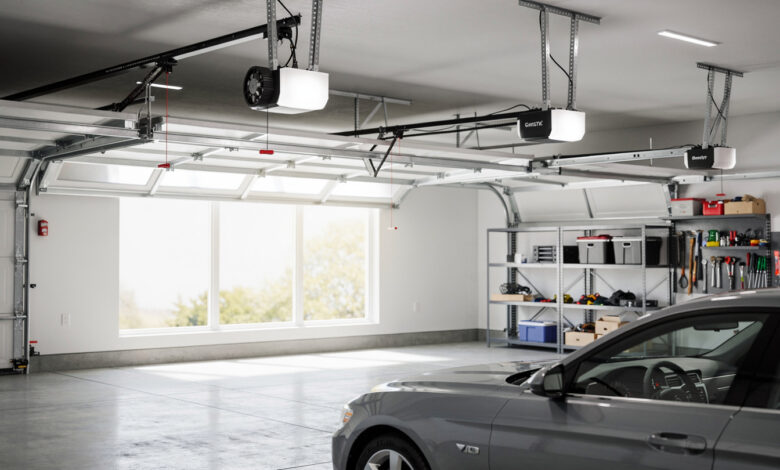
Choosing the right garage door opener is vital for ensuring the security, efficiency, and convenience of your home. With so wide a variety of technologies available today, homeowners should be well-informed to choose a garage door opener that meets their specific needs and preferences. Whether you are upgrading an old model or installing a brand new system, making the right choice will have long-term impacts on performance and home safety. If you are exploring the best fit for your garage, consider how custom door opener choices can impact the experience, quietness, and lifespan of your system.
Understanding the key features, from drive mechanisms to smart technology, will simplify the decision process. Garage door openers can vary widely in motor power, noise output, connectivity, and installation requirements. For families with attached garages or bedrooms adjacent to the garage, minimizing noise may be just as important as ensuring maximum security and ease of use. As safety and security advance to top priorities, modern garage door openers also offer features that protect your home from potential intruders and provide peace of mind.
Learning how to weigh these factors will save you frustration and unnecessary costs down the line. Manufacturers continue to improve reliability, security, and integration with smart home systems, so the right model for you will depend on your garage’s design, your household’s daily habits, and your budget.
The following guide walks you through the essential considerations to help you select a garage door opener that fits your home and lifestyle. If you’re interested in reading further homeowner advice, you can explore relevant tips from HGTV’s garage opener guide.
Types of Garage Door Openers
When considering a new garage door opener, understanding the distinct types available will make your selection process smoother. Each style offers pros and cons for operational noise, durability, and installation flexibility:
- Chain-Drive Openers: These models use a metal chain to move the door. They are tough and reliable, suitable for heavy doors, but can be noisy. Their affordability makes them attractive for detached garages where noise is less of an issue.
- Belt-Drive Openers: Operate smoothly with a rubber belt for quieter performance. They’re ideal for homes with bedrooms or offices adjacent to the garage.
- Screw-Drive Openers: These use a threaded steel rod to lift and lower the door, requiring less maintenance but often performing best in climate-stable environments.
- Direct-Drive Openers: The motor itself moves along the track, resulting in minimal noise and high reliability.
- Wall-Mounted Openers: Also called jackshaft openers, these units are located beside the garage door, opening valuable ceiling space and providing very quiet operation, particularly beneficial in garages with high or complex ceilings.
Motor Power Considerations
The horsepower rating of your garage door opener should align closely with the size, weight, and material of your garage door. A model with insufficient power may suffer premature wear or become overloaded, while excess power can be a waste of resources.
- 1/2 HP: Sufficient for most standard single or light two-car doors.
- 3/4 HP: Better for heavier or insulated doors, as it delivers the necessary strength for demanding operations.
- 1 HP or higher: Reserved for oversized or extra-heavy doors, such as solid wood carriage doors, where durability and consistent lifting capability are essential.
Choosing the correct motor power is crucial for longevity and for preventing mechanical failures.


Noise Levels and Drive Types
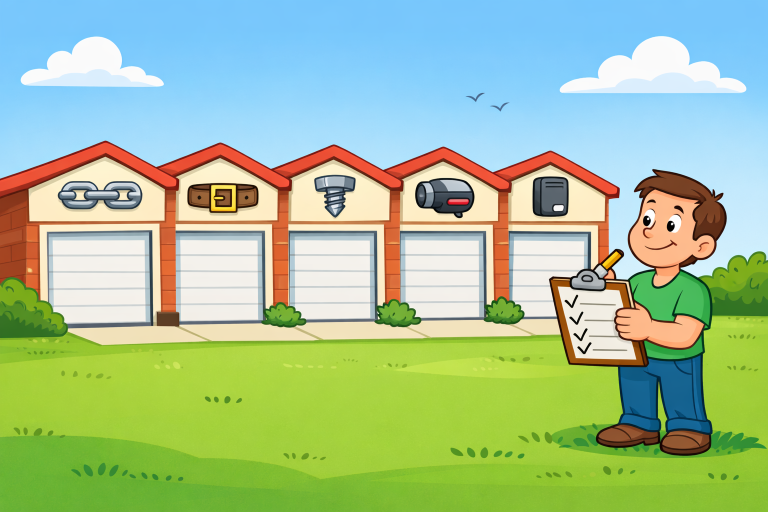
Noise output is a central concern for many homeowners, particularly for those with living spaces adjacent to the garage. Each type of drive mechanism influences overall operational sound:
- Chain-Drive Openers: These generate more vibration and noise due to the motion of metal components. They’re best for detached garages.
- Belt-Drive Openers: Much quieter, as the belt absorbs much of the vibration and sound, making them the go-to pick for attached garages.
- Direct-Drive and Wall-Mounted Openers: Among the quietest, with very low vibration and smooth starts and stops.
For the quietest experience, direct-drive or wall-mounted units are top picks, though at a higher price point.
Smart Features and Connectivity
Innovative garage door openers provide integrated technology for added convenience and modern home security:
- Wi-Fi Connectivity: Enables remote operation, notifications, and monitoring via smartphone applications.
- Home Automation Integration: Links your opener with other smart devices, such as cameras, alarms, and lighting systems, for a seamless experience.
- Voice Control: Many models now work with top smart assistants like Alexa and Google Home, enabling simple commands to be issued hands-free for busy families.
These features can prevent unauthorized access and make everyday routines easier to manage.
Safety and Security Features
Garage door openers help protect your household and property with advanced safety mechanisms. Essential features to look for include:
- Auto-Reverse: Automatically halts and reverses the door if it detects an obstacle via sensors. This is a requirement in new openers under federal law and helps prevent accidents or injuries.
- Rolling Codes: Enhances security by generating a new access code after every use, making code-grabbing by potential thieves pointless.
- Battery Backup: Allows your opener to operate during power outages, which are common in areas prone to storms.
These elements improve the overall safety of your garage and keep your property secure.
Installation and Maintenance
Correct installation and routine maintenance extend the lifespan and proper functioning of your garage door opener:
- Professional Installation: Pros ensure compliance with safety standards and optimal performance right from the start.
- Regular Maintenance: Includes checking hardware, balancing, lubricating parts, and periodically testing all safety settings. Inspecting the system at least twice a year can prevent costly repairs in the future.
Scheduled maintenance helps ensure reliable, safe operations for years to come.
Cost and Budgeting
Garage door opener prices cover a wide spectrum, influenced by brand, features, durability, and smart tech:
- Basic Models: Entry-level options range from $150 to $300 and typically include standard chain or belt drives.
- Mid-Range Models: Priced between $300 and $500, designed for homeowners who want Wi-Fi access and quieter performance.
- High-End Models: Units above $500 provide high horsepower, advanced safety, and top-tier smart home integration.
Be sure to account for professional installation and possible smart home upgrades when budgeting your purchase.
Additional Considerations When Choosing a Garage Door Opener
Beyond the basic drive mechanisms and power levels, there are additional features and factors you may want to evaluate before making a final purchase:
- Lighting: Many openers come with integrated LED lighting that provides excellent illumination for your garage. Some smart models let you control the lights remotely or automate them based on activity or time of day. Enhanced visibility is particularly useful for safety and convenience when entering or exiting the garage at night.
- Backup Keypad Entry: A wireless keypad mounted outside the garage provides secure entry using a PIN code. This is ideal for households wanting to grant family, friends, or service professionals temporary or scheduled access without sharing keys or remotes.
- Manual Release: In the event of a power failure or emergency, a manual release feature lets you disengage the opener and operate the door by hand. It’s crucial if your garage is your main point of entry or exit, so ensure this mechanism is accessible and easy to use.
- Energy Efficiency: Some newer garage door openers are designed to minimize standby power use. If energy conservation is a priority, look for “green” or Energy Star-certified openers to help reduce electricity costs and your home’s overall carbon footprint.
- Weather Resistance: For garages in regions with extreme temperatures, selecting a model rated for hot or cold climates can prevent malfunctions and extend the opener’s life. Screw-drive mechanisms, for example, might not perform as well in very cold environments compared to belt- or chain-drive options.
A complete evaluation of these features will help you personalize your choice and tailor it to your family’s lifestyle routines and local climate needs.
Tips for Maximizing Garage Door Opener Performance
Once your new garage door opener is installed, a few maintenance and user habits can further boost its performance and longevity:
- Test Safety Features Regularly: Every few months, test auto-reverse and sensor operations to confirm they’re working as intended. Place an object in the door’s path to ensure it immediately reverses direction upon contact or blocking the sensor beam.
- Keep Tracks and Rollers Clean: Sweep out debris, wipe down tracks, and lubricate rollers periodically. This prevents jams and reduces strain on the opener motor.
- Check Remote Batteries: Low batteries can cause inconsistent performance or leave you locked out. Replace the batteries with fresh ones as soon as you notice a decrease in range.
- Keep Entry Codes Updated: Frequently change your keypad or remote codes, especially if someone moves out or loses a remote, to keep your security up to date.
- Schedule Annual Professional Inspection: An expert review each year can catch small problems before they become costly repairs or safety incidents.
Staying on top of these tasks ensures your investment in a quality garage door opener pays off with years of reliable operation and trouble-free use.
Conclusion
The right garage door opener is an essential investment for efficiency, safety, and peace of mind. By weighing drive type, power, noise levels, smart connectivity, and cost, you can choose a model that best fits your household’s unique needs. Prioritize safety and reliability to ensure smooth operation year after year, and do not hesitate to seek expert advice if you have a complex or unique garage setup.