Improving Utility Excavation Safety with VAC Trailers
VAC trailers improve utility excavation safety and precision by exposing underground utilities with minimal disruption, reducing damage and project delays.
Key Takeaways
- VAC trailers deliver a non-destructive method for uncovering underground utilities, reducing utility strikes and service interruptions.
- They improve jobsite safety by limiting manual digging and lowering hazards.
- VAC trailers are adaptable to diverse soil types and workspaces, including compact urban zones.
Introduction to VAC Trailers
Utility excavation is an operation that carries significant risks, including damage to critical underground infrastructure and threats to worker safety. The introduction of Vacuum Excavation (VAC) trailers has fundamentally changed how contractors approach these projects. By using a vac trailer, teams gain a safer and more precise method for locating and exposing buried utilities while minimizing the challenges traditionally associated with manual digging and mechanical excavation.
Incorporating VAC trailers into modern utility excavation processes not only reduces the likelihood of costly errors but also improves overall project efficiency. These advanced machines harness the power of air or water to loosen soil and a vacuum system to remove it, effectively exposing sensitive underground lines without direct contact. This non-destructive technology is especially vital as underground utility networks become increasingly complex and densely packed.
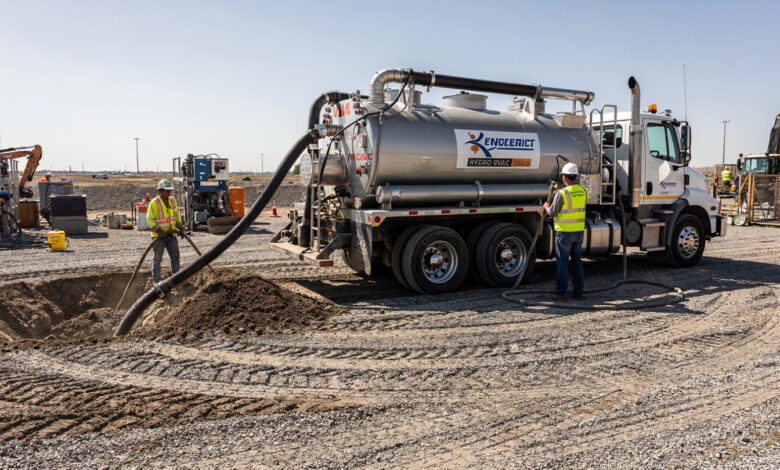
VAC trailers represent a significant leap in excavation safety and efficiency. Unlike traditional digging methods that rely on shovels or heavy mechanical excavators, these trailers utilize high-pressure water or air to loosen the soil. A powerful vacuum system then collects the debris in a secure tank. This approach enables contractors to minimize disturbance to existing utilities, maintain cleaner worksites, and achieve accurate results even in complex environments.
Non-Destructive Excavation Methods
Conventional excavation with backhoes and shovels often results in unintentional damage to buried cables, pipes, and fiber-optic lines. In fact, utility strikes remain a major issue in construction and utility projects. By embracing vacuum excavation, contractors reduce the chance of damaging infrastructure because VAC trailers make no direct contact with hidden lines during the digging process. This preventive measure is particularly beneficial when utility mapping is outdated or incomplete, a common occurrence in older urban centers.
Enhancing Worker Safety
Manual excavation exposes workers to numerous hazards, such as trench cave-ins, exposure to contaminated soil, and the risk of striking live utility lines. Using VAC trailers for excavation drastically reduces reliance on hand tools, helping mitigate injuries from common danger zones around open trenches and underground services. This approach aligns closely with recommendations from safety organizations and industry groups. According to the Occupational Safety and Health Administration (OSHA), safer work practices, including non-destructive excavation methods, are essential to preventing workplace injuries and fatalities in trenching operations.


Versatility in Various Environments
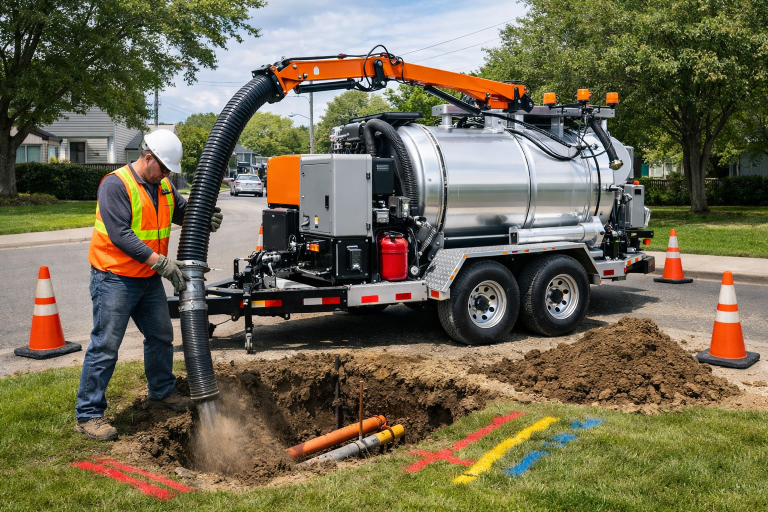
Not every jobsite offers vast, open spaces for maneuvering large excavation equipment. VAC trailers excel in tight urban settings, crowded rights-of-way, and environmentally sensitive locations where conventional digging could cause problems. Their portable and maneuverable design allows operators to reach awkward or restricted spaces with precision. In addition, these systems are effective across a wide range of soil conditions, from soft clay to compacted gravel, supporting everything from routine maintenance to complex repairs.
Compliance with Safety Regulations
Strict adherence to excavation safety regulations is non-negotiable in today’s utility industry. Regulatory bodies like OSHA set specific requirements to protect workers and ensure public safety. By using VAC trailers, contractors are better equipped to comply with these regulations, as the technology greatly reduces the risks of trench collapses, hazardous material exposure, and accidental utility strikes. Regular audits and use of such technology demonstrate proactive risk management and regulatory compliance, offering peace of mind to both utility owners and contractors.
Cost-Effectiveness and Efficiency
While investing in VAC trailers may initially seem costly compared to basic hand digging or renting small excavators, the long-term financial benefits are considerable. Project timelines can shrink since utility exposures are accomplished faster and with fewer setbacks. The reduction in damaged utilities eliminates expensive repairs and service disruption penalties, and fewer worker injuries mean fewer workers’ compensation claims and lower insurance premiums. Over time, the operational efficiency and reliability of VAC trailers contribute to a strong return on investment for contractors and municipalities alike.
Training and Best Practices
A successful vacuum excavation operation relies on more than just equipment. Proper operator training is vital, encompassing safe handling procedures, routine maintenance, and in-depth knowledge of the trailer’s capabilities. Crews must be familiar with worksite hazards, best practices for excavation, and the importance of following all safety protocols specific to vacuum technology. Ongoing education and adherence to established guidelines help ensure every project reaps the benefits of safer, cleaner, and faster excavation.
Conclusion
The implementation of VAC trailers into utility excavation projects marks a transformative step in construction safety and efficiency. Their ability to safely and accurately uncover underground infrastructure makes them indispensable in modern utility work. By lowering exposure to risks, supporting compliance, and enhancing cost-effectiveness, VAC trailers are poised to remain a cornerstone of excavation best practice as infrastructure systems continue to evolve and expand.