Nursing Home Abuse In Sandy Springs Ga: What Families Need To Know
Protect elderly loved ones from nursing home abuse in Sandy Springs. Recognize warning signs, prevent neglect, and explore legal support options.
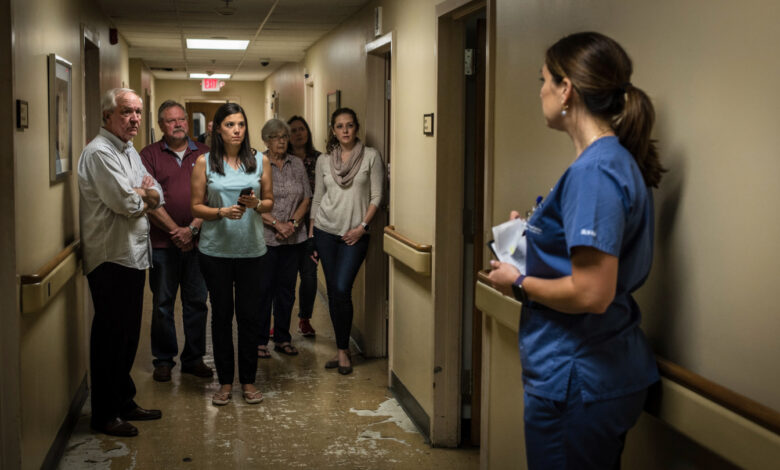
The safety and dignity of elderly loved ones are top priorities for families considering long-term care options. In Sandy Springs, families place their trust in nursing homes to provide a safe and nurturing environment. However, instances of elder abuse remain a significant concern. Acting early and staying vigilant are crucial steps families must take to protect their loved ones and address any signs of mistreatment swiftly. For those seeking legal support or suspecting abuse, Sandy Springs nursing home abuse lawyers offer guidance and assistance tailored to such sensitive situations.
Nursing home abuse encompasses neglect, financial exploitation, and physical and emotional mistreatment. Recognizing warning signs and selecting appropriate facilities can help prevent such abuse. Approximately 1 in 10 older adults in the U.S. experiences elder abuse, highlighting the importance of family advocacy and awareness of legal protections. Active involvement can significantly improve residents’ well-being and raise standards in nursing homes.
Understanding Elder Abuse
Elder abuse involves intentional or negligent acts by a caregiver or trusted individual, resulting in harm or serious risk to an older adult. Abuse can be physical, such as hitting or unreasonable restraints; emotional, including humiliation or intimidation; sexual, or financial, such as theft, coercion, or manipulation of finances. Neglect is another common form, in which basic needs such as hygiene, medication, and nutrition are unmet. The Centers for Disease Control and Prevention (CDC) provides valuable insights into the magnitude and forms of elder abuse nationwide. By familiarizing yourself with these categories, you are better equipped to identify warning signs and act rapidly.

Choosing the Right Facility
Making an informed choice about a nursing home in Sandy Springs starts with thorough research. Families should review the facility’s inspection history, complaint records, and overall ratings available through resources such as Medicare’s Nursing Home Compare tool. Visiting the facility without prior notice allows you to observe everyday operations and candidly observe staff interactions. Talk openly with current residents and their families to gather authentic perspectives. It is also important to check that the facility’s licensing is up to date and verify staff credentials and ongoing training. Proactive steps like these can lower your loved one’s risk of abuse or neglect.
Recognizing Signs of Abuse
Recognizing the red flags of abuse requires continuous observation and communication. Some of the most common signs include unexplained injuries like bruises, welts, or fractures; sudden mood shifts or withdrawal; frequent arguments or fear around certain staff members; and poor personal hygiene or unwashed clothing. Neglected living spaces, missed medication, or noticeable weight loss can indicate a deeper issue. Financial abuse may present as unexplained withdrawals, missing valuables, or sudden changes in wills. Consistently visiting and speaking with your loved one creates a foundation for transparency and trust, allowing you to notice changes early and intervene.
Maintaining Regular Communication
Open and frequent communication with your loved one forms a critical line of defense against abuse. Regular in-person visits at different times of the day, alongside phone and video calls, help you monitor their well-being and the facility environment. Communication should be honest and open. Encourage your loved one to share their experiences, ask about their relationships with staff, and listen carefully for any signs of discomfort or distress. Varying your visit patterns can provide a clearer picture of daily care standards and help curb staff complacency.


Educating Yourself and Others
Increasing your knowledge about elder abuse and prevention strengthens your ability to advocate effectively. Attend local seminars or virtual workshops offered by reputable organizations, such as the National Center on Elder Abuse, which offer educational materials and support. Share your knowledge with other family members and friends to maximize vigilance and bring concerns to light sooner. Empowering yourself and those around you ensures everyone is committed to your loved one’s safety.
Reporting Suspected Abuse
Immediate action is necessary if you suspect your loved one is a victim of abuse. Start by documenting evidence, including photographs of injuries, notes on behavioral changes, and records of conversations. Report your concerns in writing to the nursing home administrator or facility manager. If the response is inadequate, contact Adult Protective Services, the Georgia Department of Community Health, or law enforcement. Detailed steps for reporting abuse are available from national resources such as the U.S. Department of Justice. Timely reporting can stop further abuse and prompt facility-wide improvements.
Legal Rights and Resources
Nursing home residents are protected by state and federal laws, including the Nursing Home Reform Act. This legislation requires facilities to promote residents’ dignity, autonomy, and quality of life. Families should also be aware of the grievance process and have access to an ombudsman, who serves as a liaison for resolving complaints. Consulting with an attorney who specializes in elder law can clarify your loved one’s rights and outline further legal steps when necessary. Families benefit immensely from knowing their rights and assertively seeking resolution when issues arise.
Conclusion
Preventing nursing home abuse in Sandy Springs requires a vigilant, educated, and compassionate approach from families. By understanding potential risks, selecting suitable facilities, staying observant, and leveraging community and legal resources, you can help ensure your loved one’s safety and well-being. Ongoing involvement makes a meaningful difference and upholds the dignity older adults deserve in their later years.